


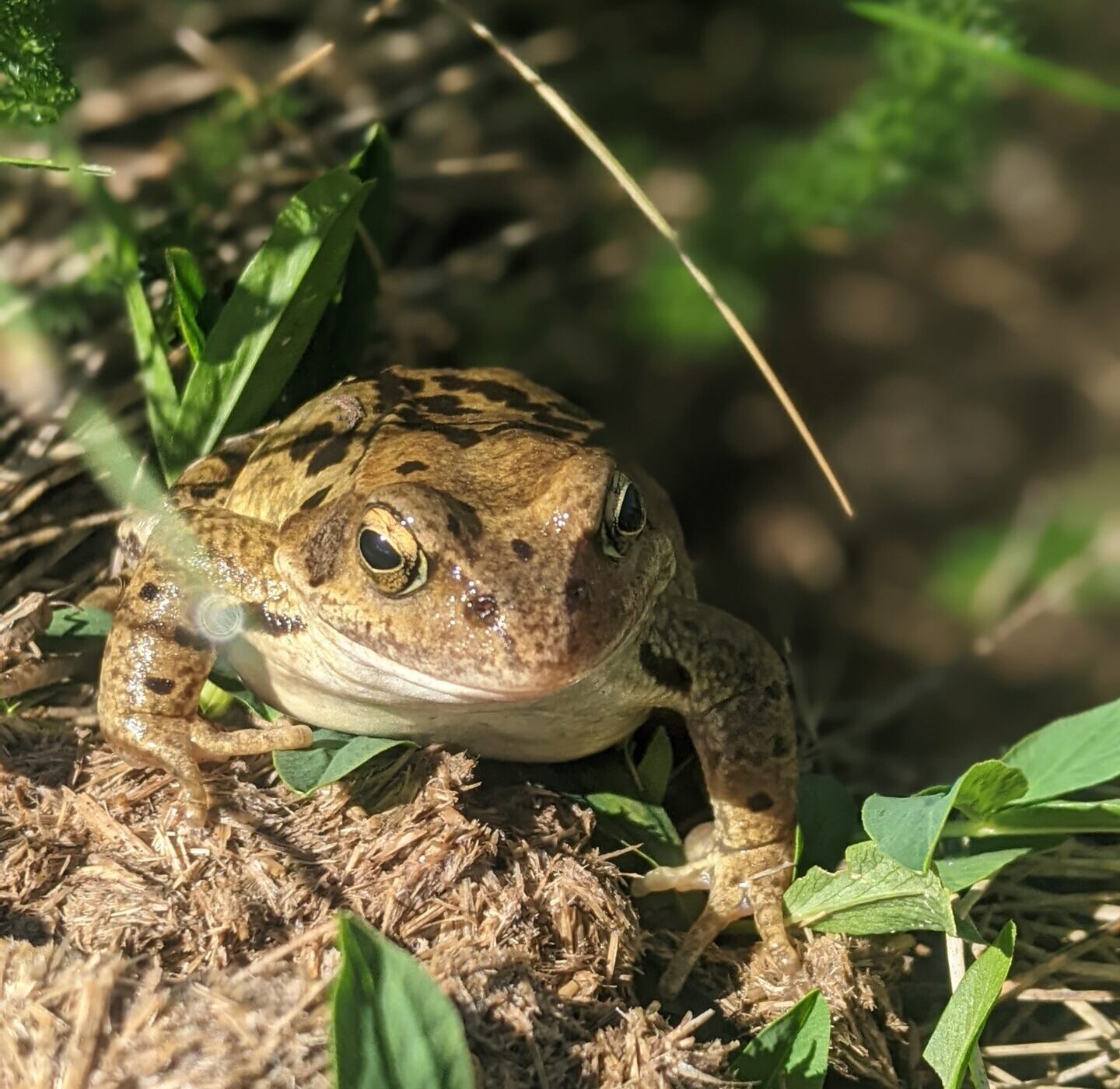
High-mountain lakes are often perceived as pristine natural environments, far removed from human pressure and seemingly untouched. However, this idyllic image does not always reflect reality. Even in these remote ecosystems, human activity has left its mark on biodiversity.
On the occasion of the International Day for Biological Diversity, the LIFE RESQUE ALPYR project highlights one of the major conservation challenges facing mountain aquatic ecosystems: the loss of biodiversity caused by the introduction of fish into lakes where they were not originally present.
High-altitude aquatic ecosystems are highly valuable reservoirs of biodiversity. Despite harsh environmental conditions, they host highly specialized biological communities adapted to cold, nutrient-poor waters and strong seasonal fluctuations. It is precisely this specialization that also makes them particularly vulnerable to any disturbance.
One of the most significant transformations has been the introduction of fish, mainly for recreational purposes. This process began centuries ago with the translocation of native trout from nearby rivers, but it intensified during the second half of the 20th century with the introduction of other non-native species such as minnows, used as live bait in sport fishing.
The ecological impact of these introductions goes far beyond simply adding a new species
Fish prey heavily on insect larvae, aquatic invertebrates, and amphibians, disrupting the food web and altering the functioning of the entire ecosystem. The consequences include algal proliferation, reduced oxygenation and water transparency, and the disappearance of species characteristic of these habitats.
However, the effects are not limited to the aquatic environment. Many terrestrial species depend on insects emerging from these lakes as a food resource, meaning that these imbalances can also affect birds, bats, and small mammals.
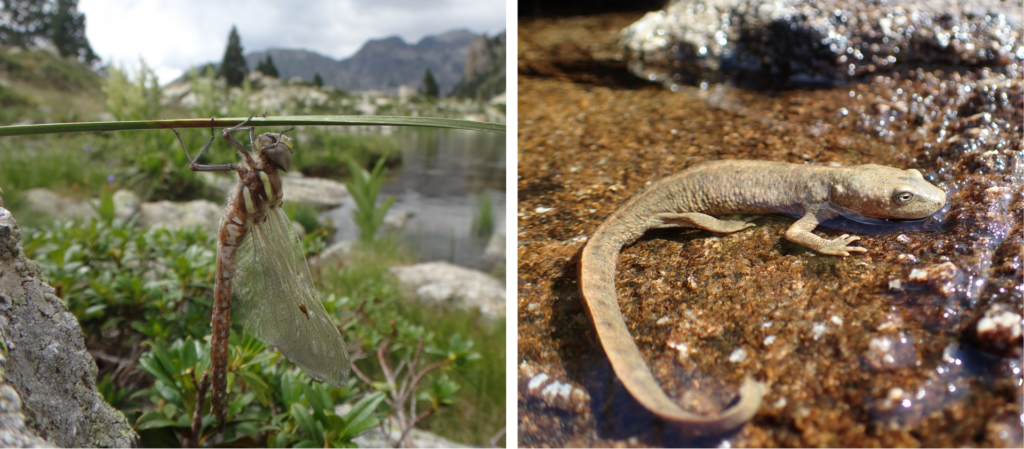
In response to this situation, ecological restoration has become a key tool
The LIFE RESQUE ALPYR project, coordinated by CEAB-CSIC, is working to restore these ecosystems in the Pyrenees and the Alps by removing introduced fish and monitoring the recolonization by native fauna.
This is a slow and technically complex process. Depending on the type of introduced species and the characteristics of each lake, restoration may require several years of continuous fieldwork.
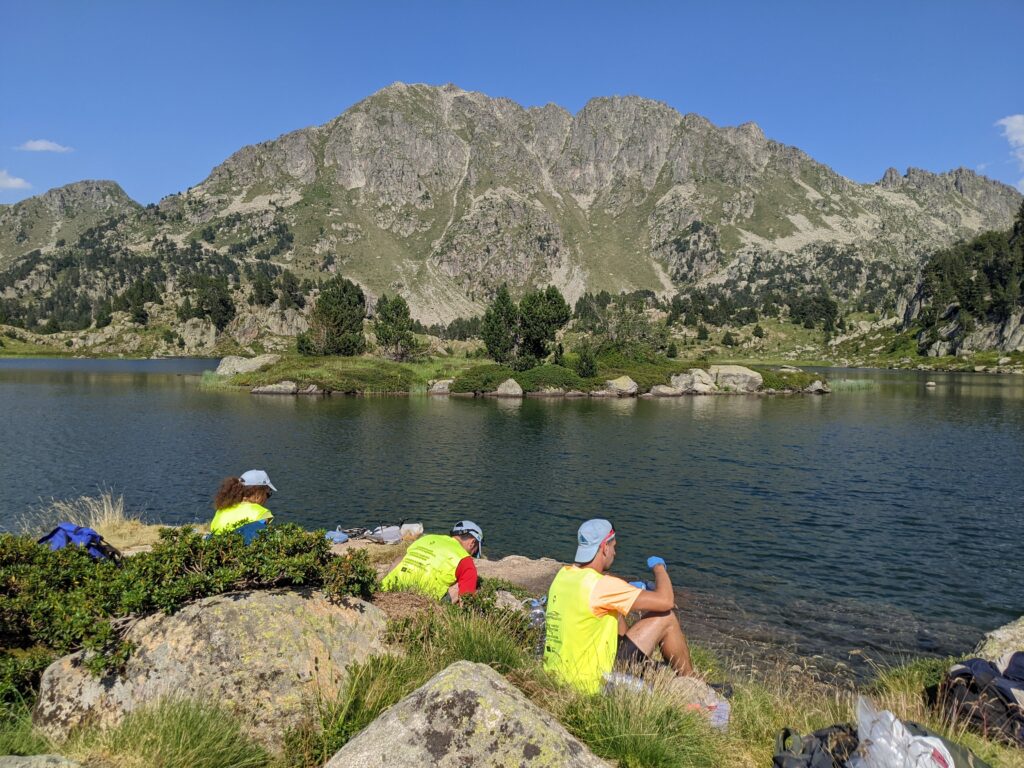
To assess biodiversity recovery, scientific teams combine classical monitoring techniques with advanced molecular tools such as environmental DNA (eDNA). This technology makes it possible to detect the presence of species from fragments of genetic material they leave in the water, without the need for direct observation.
In addition, the analysis of sediments accumulated at the bottom of lakes offers an exceptional historical perspective. This natural archive allows researchers to reconstruct what biodiversity was like before human disturbances and to better understand how far present-day ecosystems have diverged from their original state.
Marking the International Day for Biological Diversity, the project’s principal investigator, Teresa Buchaca, explains in this video why preserving high-mountain aquatic biodiversity is essential for maintaining the ecological balance of these unique ecosystems.
