


X
-
LIFE RESQUE ALPYR: restoring to conserve
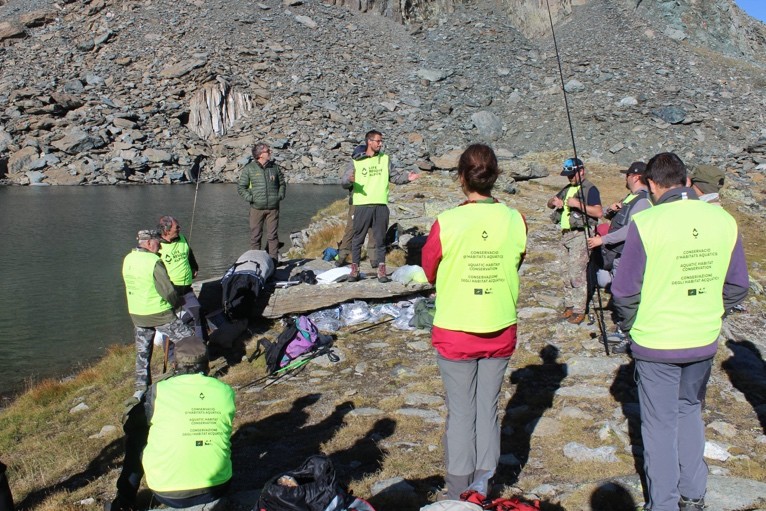
Removing fish from a mountain lake, installing fences in a peatland, or restoring traditional mowing practices in a wet meadow may raise questions among people who visit or live near these natural areas. Why are these actions being carried out? What impact do they have on biodiversity? And how do we know they are the…
-
Protecting the Biodiversity of High-Mountain Lakes
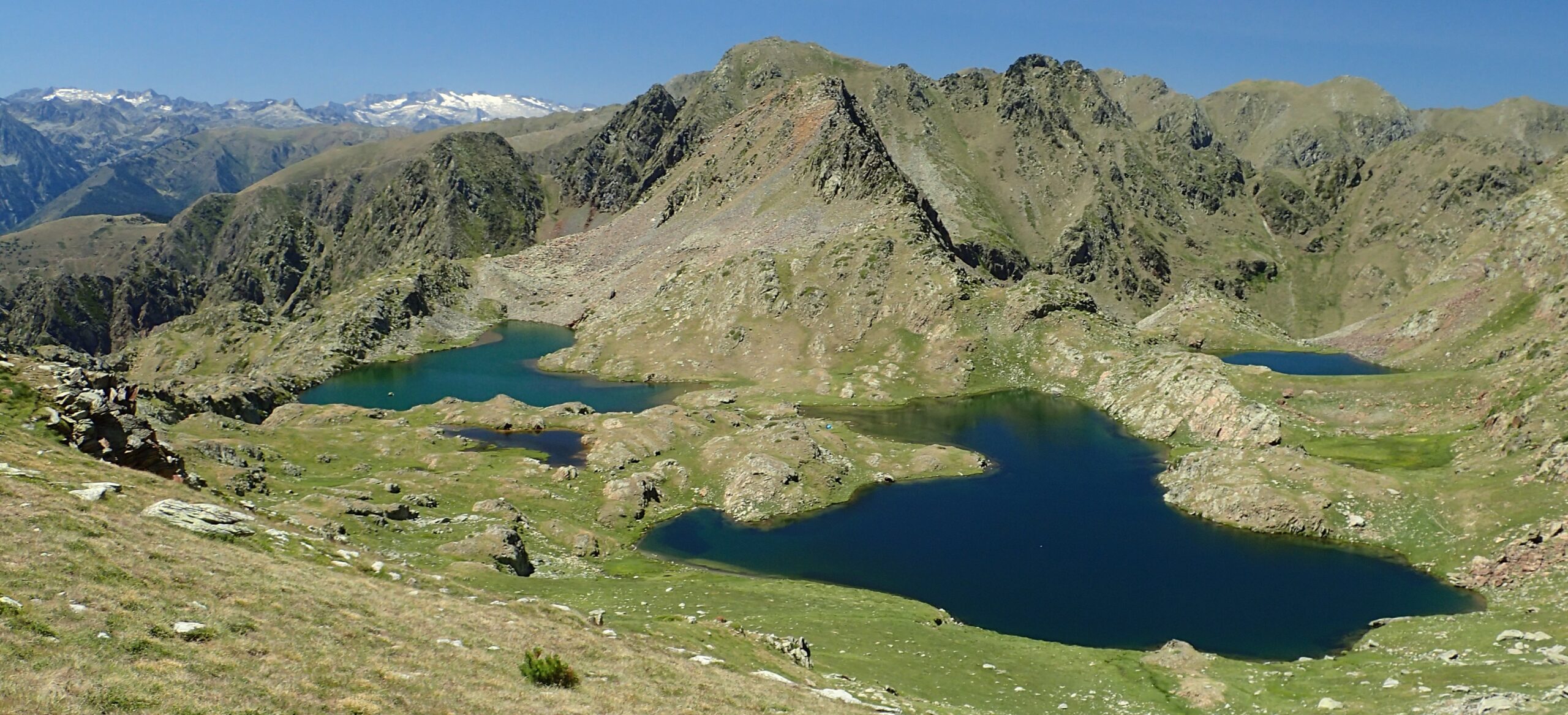
High-mountain lakes are often perceived as pristine natural environments, far removed from human pressure and seemingly untouched. However, this idyllic image does not always reflect reality. Even in these remote ecosystems, human activity has left its mark on biodiversity. On the occasion of the International Day for Biological Diversity, the LIFE RESQUE ALPYR project highlights…
-
2025 at a Glance: Key Advances of the LIFE RESQUE ALPYR Project
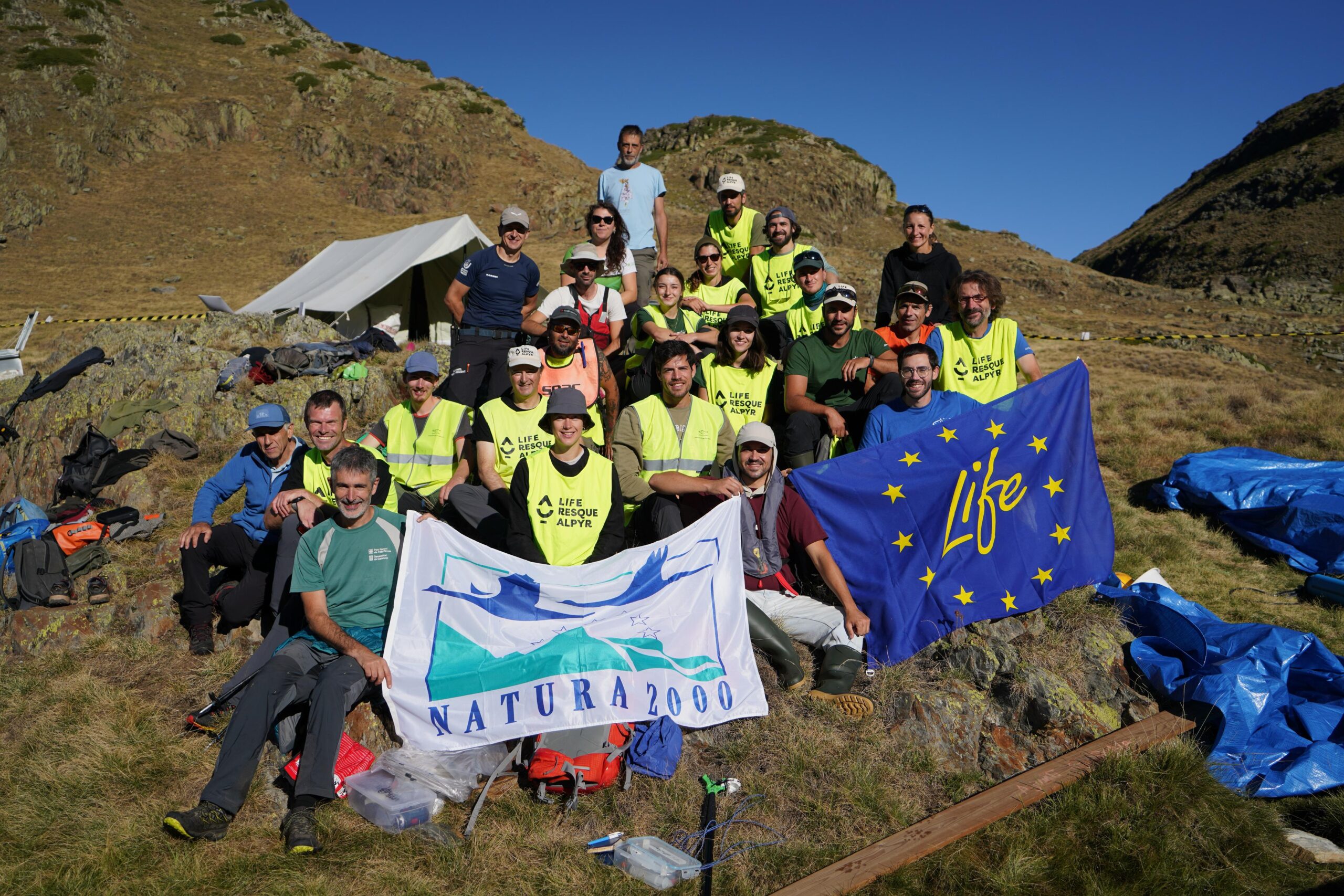
A new edition of the annual LIFE RESQUE ALPYR project newsletter is now available in the Publications section of our website, where you can find information on the most relevant aspects of this year 2025. In this fourth —and penultimate— year, all planned conservation actions have been successfully carried out. In addition to the annual…
-
Pioneering pilot test for the ecological restoration of high mountain lakes using a biodegradable piscicide
The pilot test, which will start this week, aims to eliminate introduced species and restore the ecological balance of these high-mountain ecosystems. The trial will involve the use of rotenone, a biodegradable ichthyocide. The results of the action will provide essential data to evaluate the effectiveness and safety of this product, contributing to the development…
-
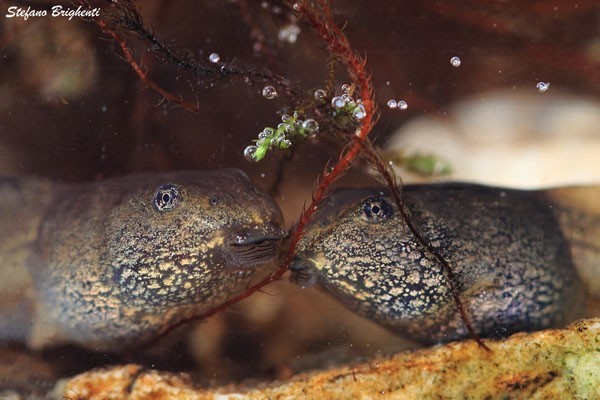
Some truly special tadpoles!
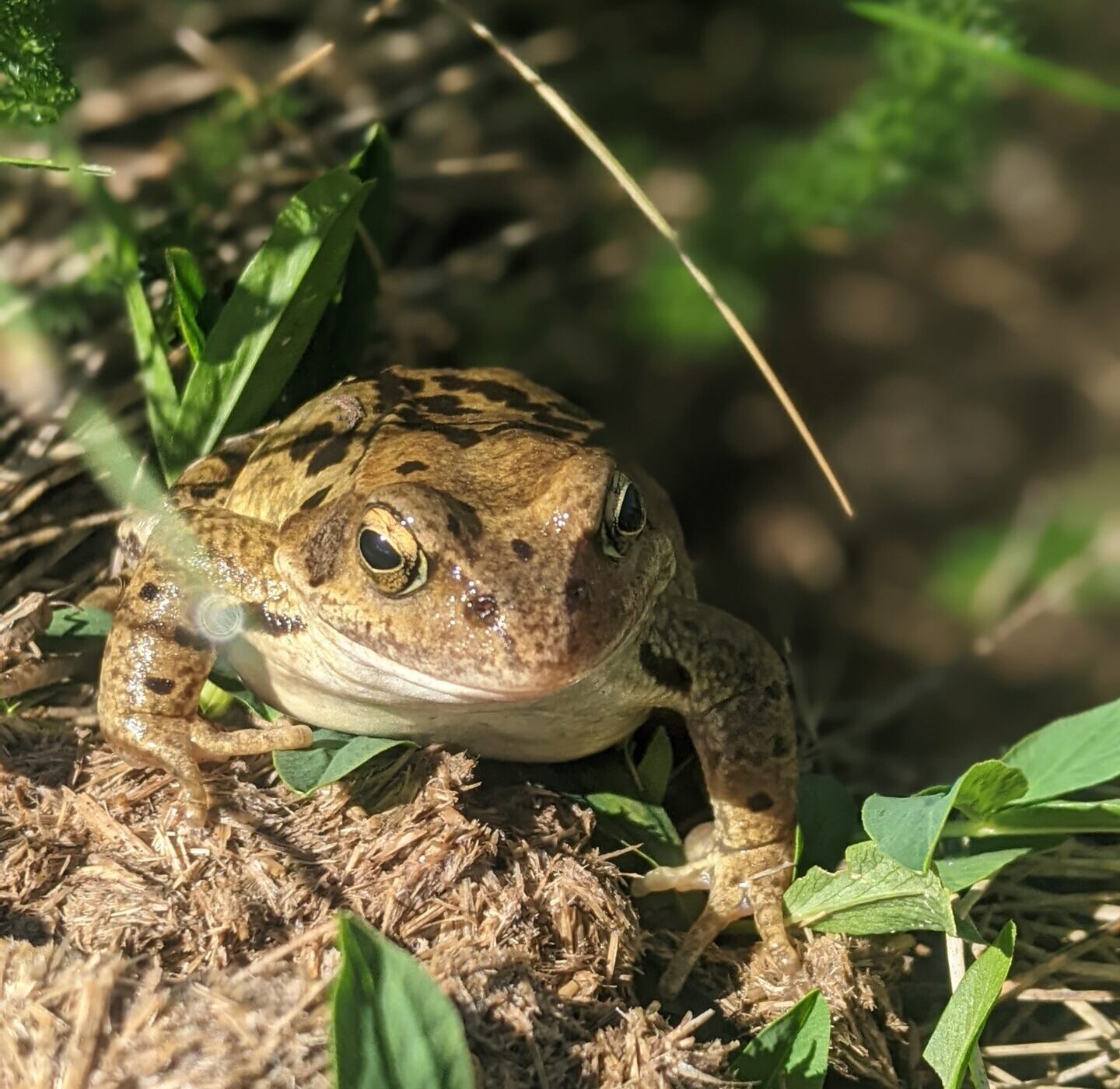
Many mountain lakes and ponds are teeming with Rana temporaria tadpoles, but just a few days ago, we encountered some truly special ones! They are seven tadpoles observed at Lake Leità, within the Gran Paradiso National Park. Their presence indicates that Rana temporaria has successfully reproduced in the lake, and since one of the tadpoles…
-

Join the research in high mountain lakes: do citizen science with LIFE RESQUE ALPYR!
We’re launching a new call to citizens to help conserve the high mountain aquatic ecosystems of the Pyrenees and the Alps. This time, we invite everyone visiting these areas to take part in the LIFE RESQUE ALPYR citizen science project through the iNaturalist platform. Explore, observe, and collaborate — these are the three key steps…
-
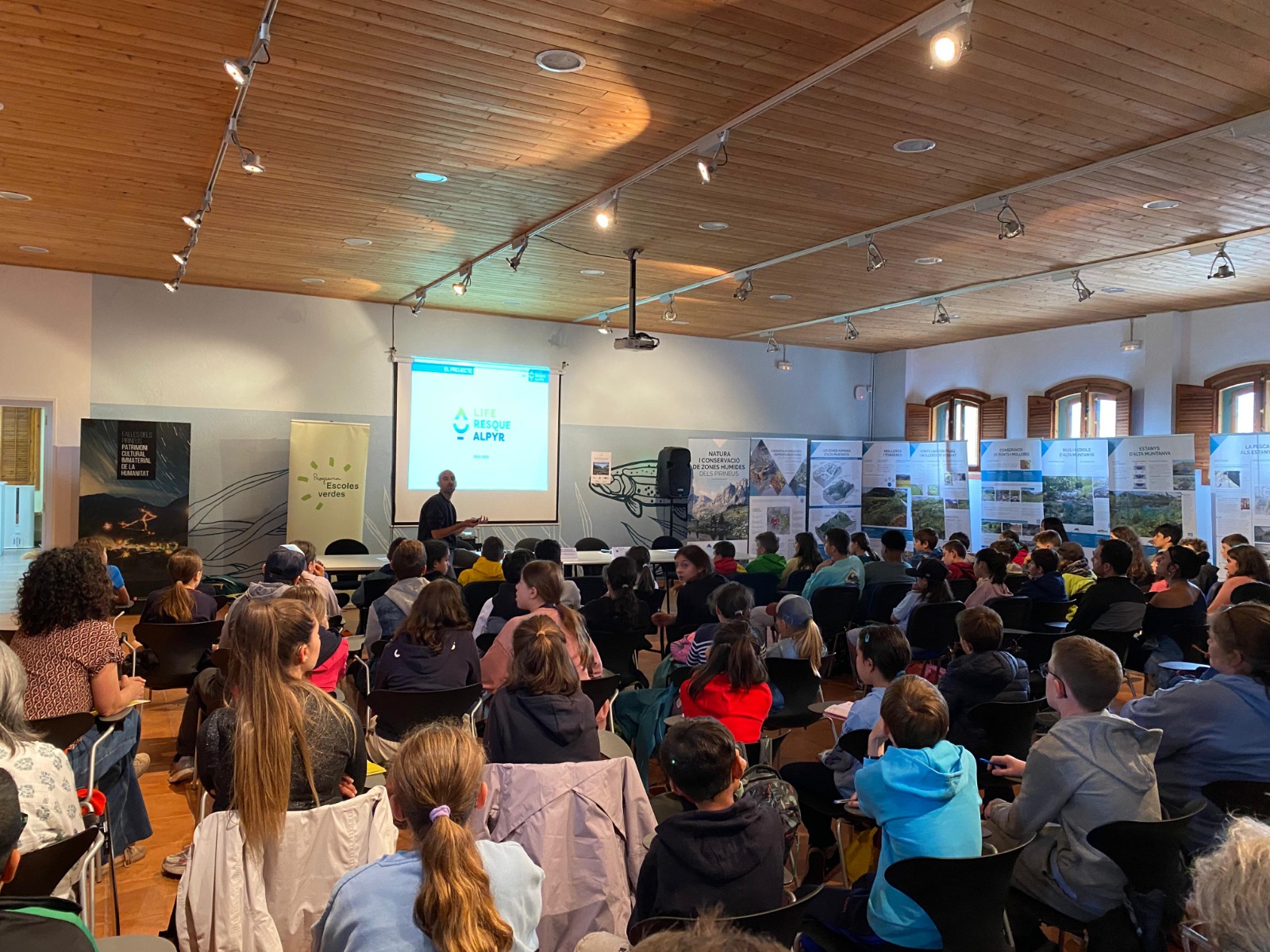
The Food Web of Pyrenean Mountain Lakes Reaches the Green Schools Forum
On June 4, 2025, the Green Schools Forum of Alta Ribagorça, Aran, and Pallars Jussà brought together around 100 participants — 75 students and 25 teachers from 12 schools — at the Wildlife Centre of Pont de Suert for a day full of creative, hands-on activities focused on environmental awareness. One of the event highlights…
-
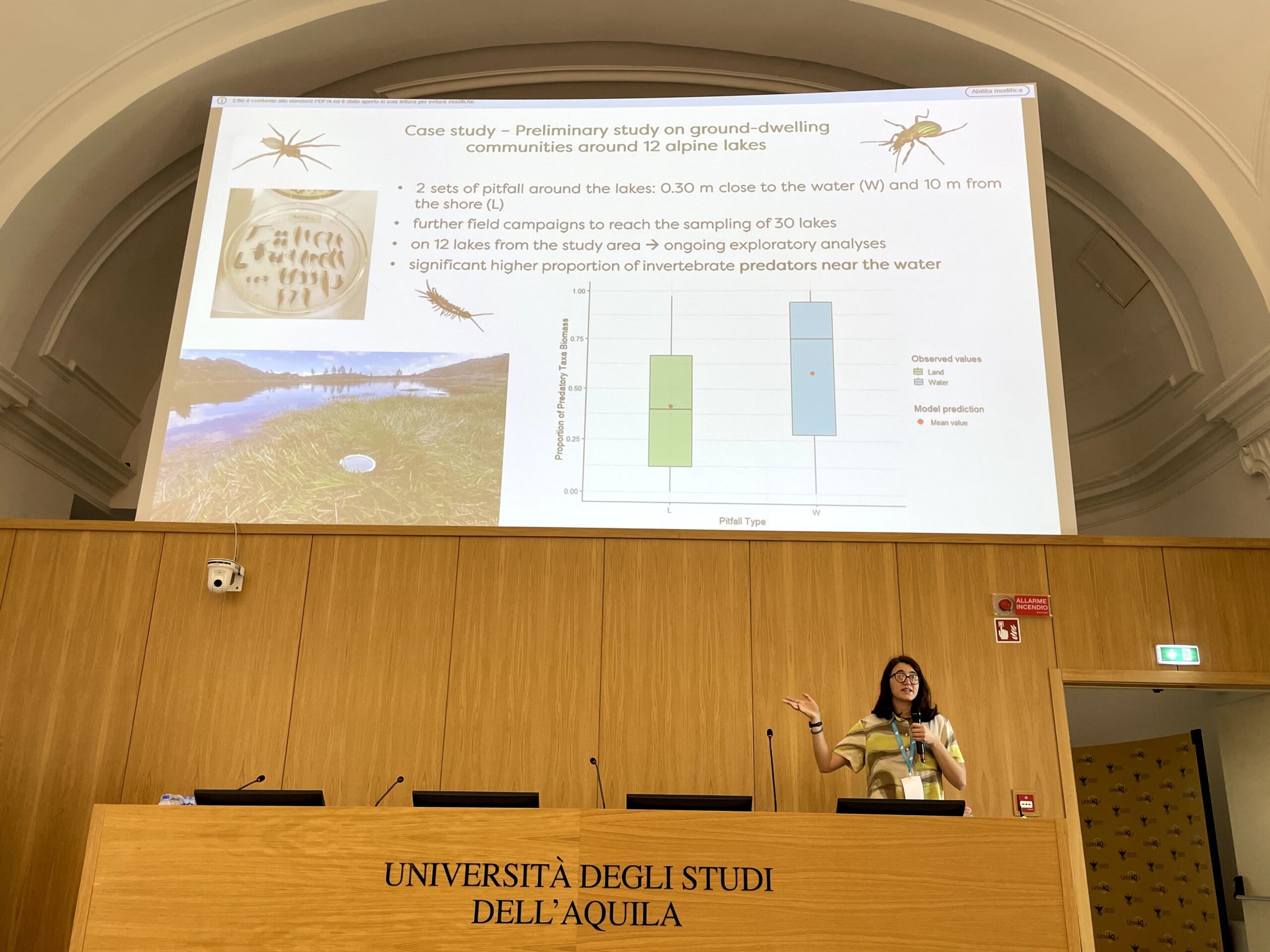
The project LIFE RESQUE ALPYR participates in the second Conservation Biology conference for Early Career Researchers in L’Aquila
The LIFE RESQUE ALPYR project took part in the second Conservation Biology conference for Early Career Researchers, held from May 6 to 10, 2025, in L’Aquila, with two of our doctoral candidates. Giorgia Mattioli, from the University of Pavia, presented a poster illustrating the eradication dynamics of alien fish from 15 lakes in the Italian Alps, four already eradicated…
-
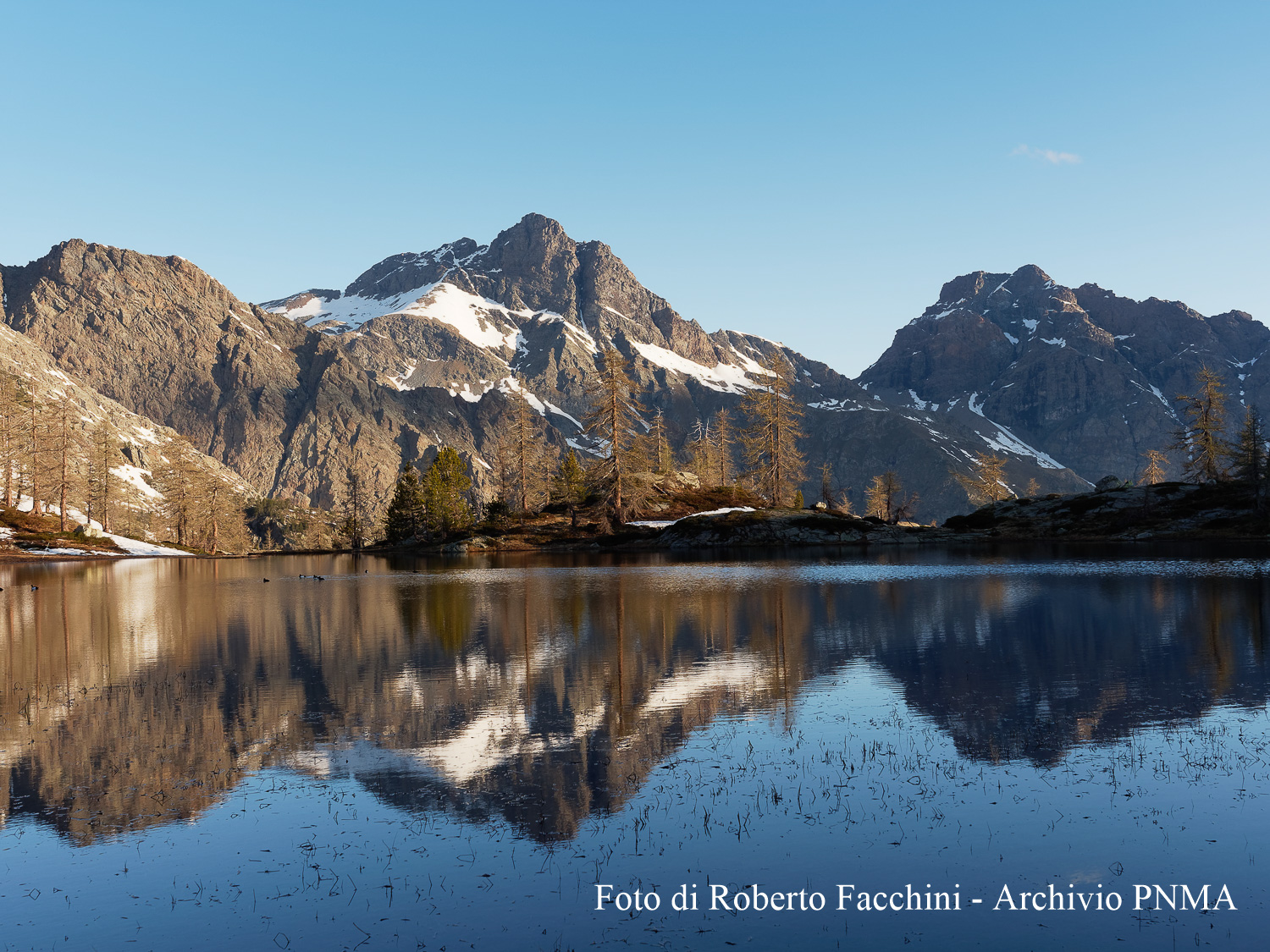
New study warns of the decline of cold-adapted zooplankton in Alpine high-mountain lakes
A new scientific study, published in the journal Biological Conservation and led by the LIFE RESQUE ALPY project, has documented a rapid disappearance of cold-adapted zooplankton in high-altitude lakes of the Western Alps. These microscopic organisms, which serve as key bioindicators of ecological health, are declining as a result of global warming and the introduction…
-
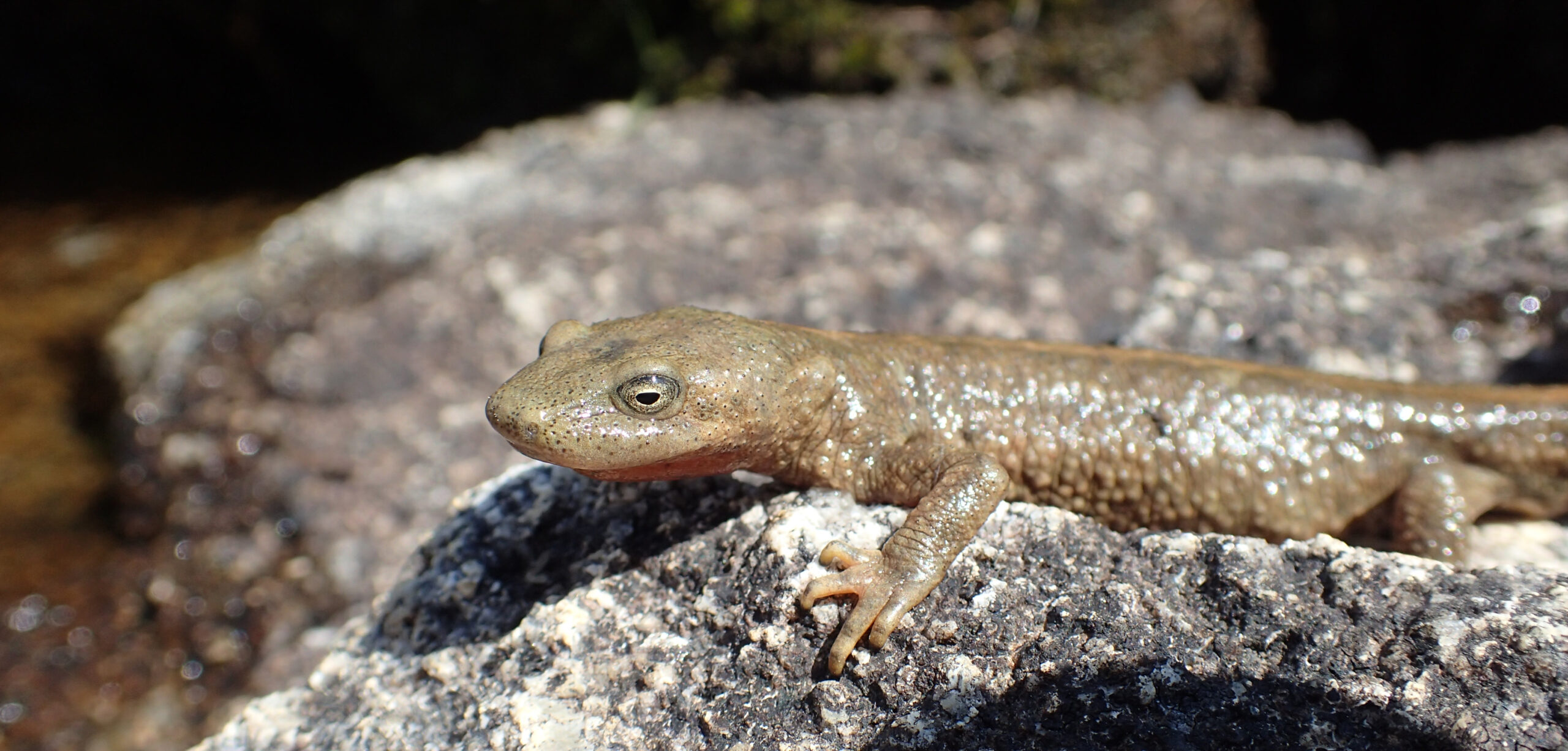
Biodiversity in Danger: How Can We Halt Its Loss?
The latest report Ciencia para las políticas públicas collects scientific evidence from CSIC about the loss of biodiversity, its causes and consequences, and proposes measures to address this crisis. The document The Loss of Biodiversity in the Current Global Change Scenario defines biodiversity as the variety of habitats, species, and genetic diversity, and highlights the…
