


X
-
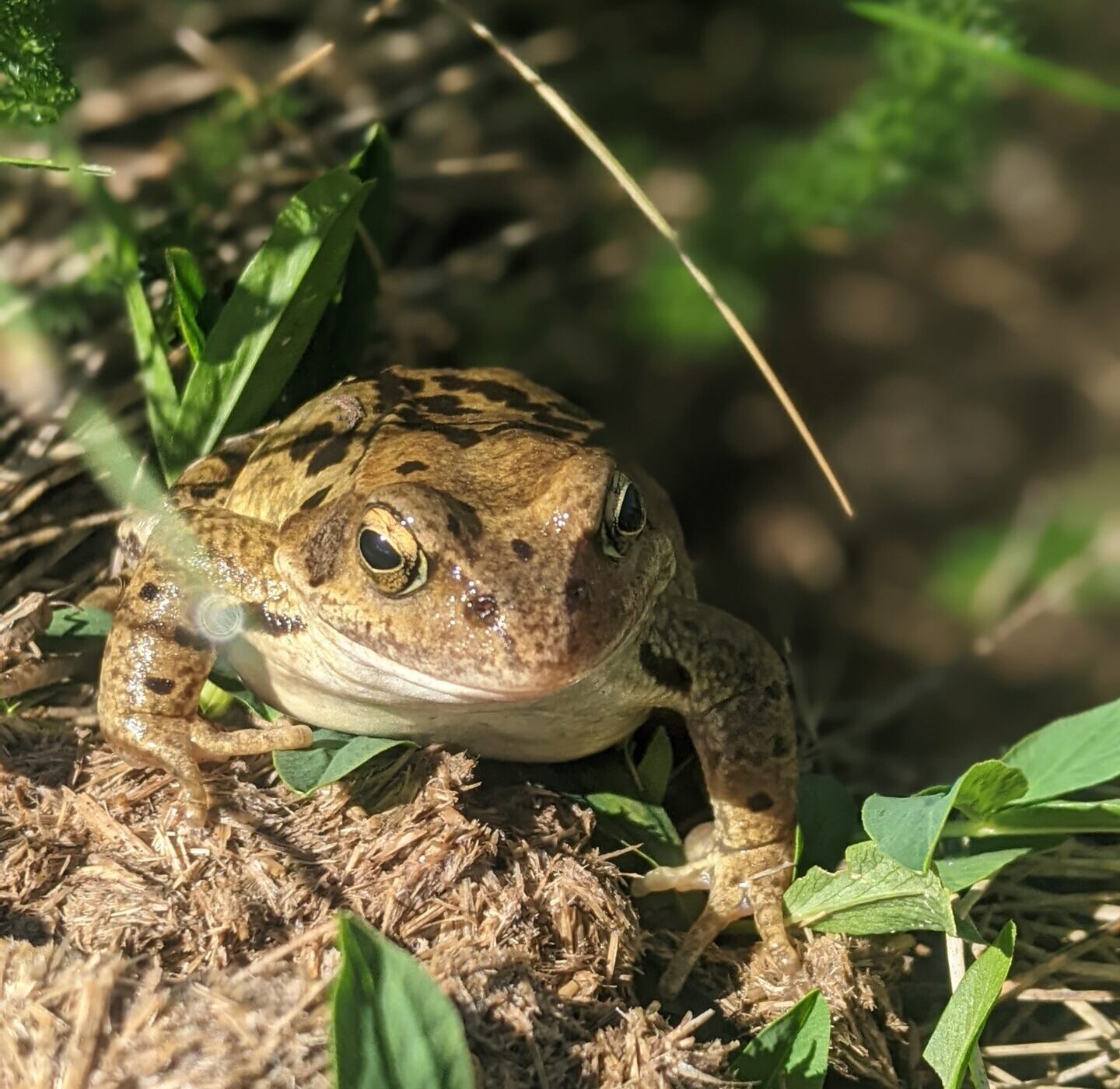
Protecting the Biodiversity of High-Mountain Lakes
High-mountain lakes are often perceived as pristine natural environments, far removed from human pressure and seemingly untouched. However, this idyllic image does not always reflect reality. Even in these remote ecosystems, human activity has left its mark on biodiversity. On the occasion of the International Day for Biological Diversity, the LIFE RESQUE ALPYR project highlights…
-
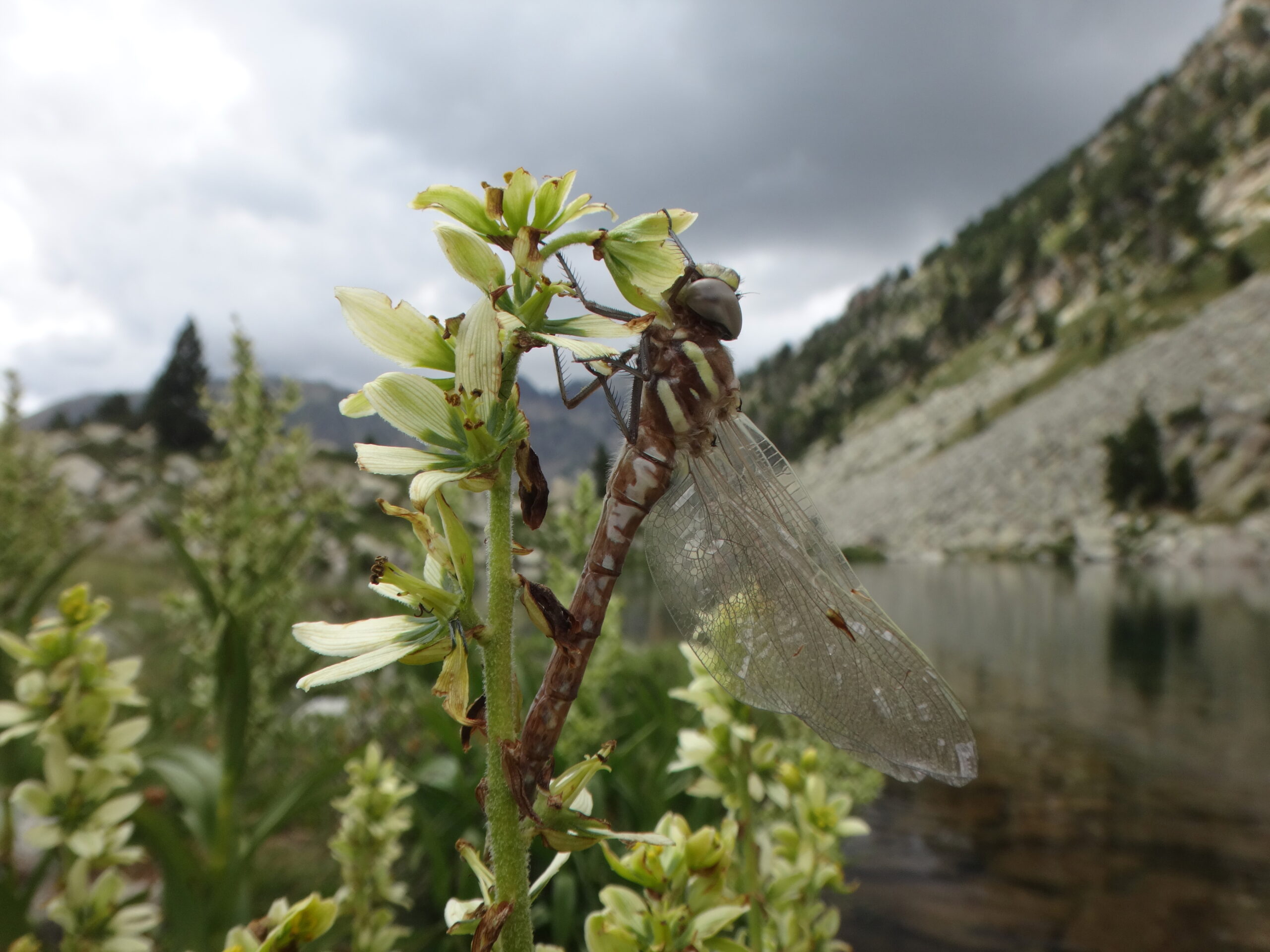
From lake to land: Are introduced fish affecting animals on land?
Many high mountain lakes were originally fishless. However, in recent decades, fish have been introduced into these lakes for recreational fishing. This brought unexpected consequences for the ecosystem, affecting not only aquatic life but also animals on land. The insects that inhabit lakes are often larval stages that will metamorphosize and eventually emerge as flying…
-
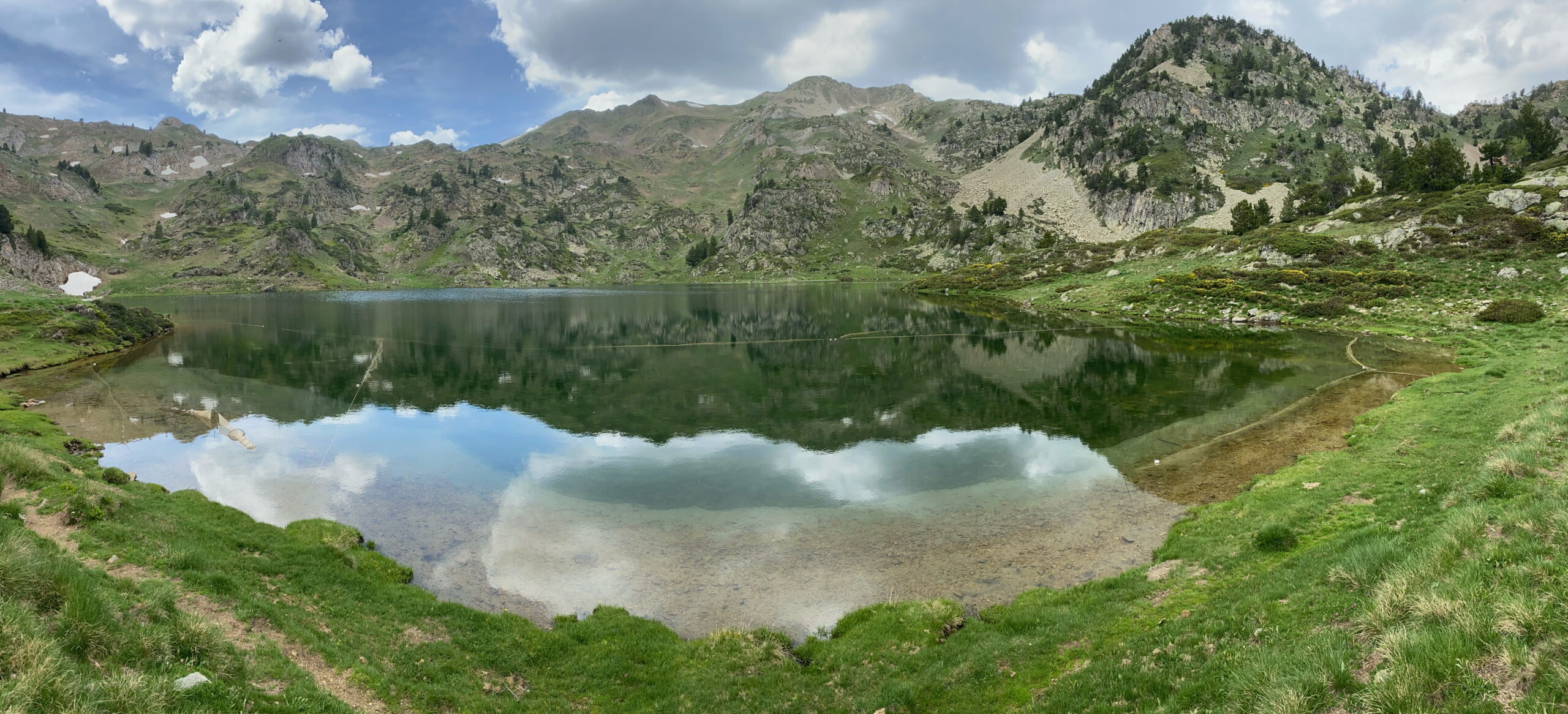
Significant Progress Ahead of the Final Year of Lake Restoration Work
Eradication efforts targeting introduced fish in the high‑mountain lakes of the Pyrenees are progressing well and moving into the final summer campaign of the project. In the fourth year of work, some of the lakes included in the LIFE RESQUE ALPYR project have already reached the planned objectives. In the Colomers cirque in the Aran…
-
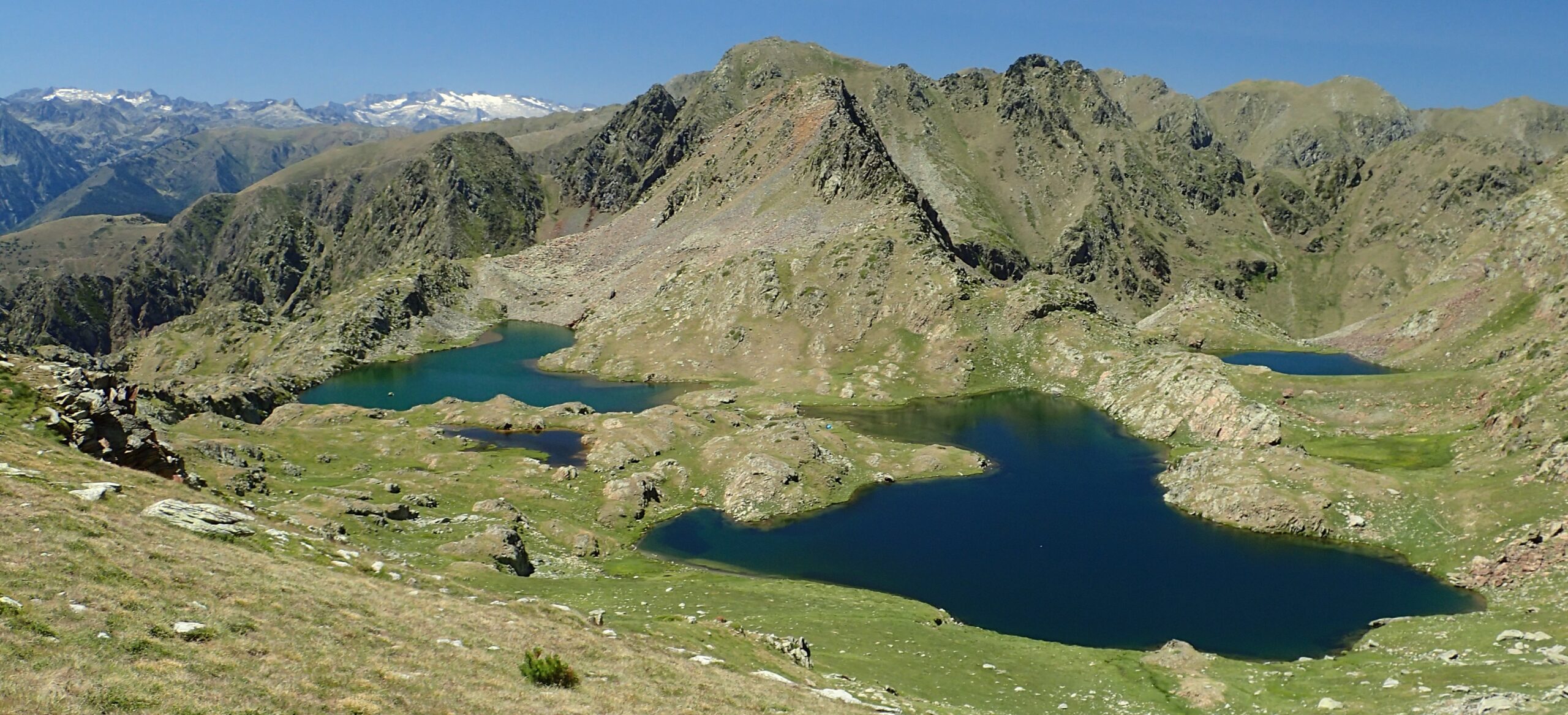
Pioneering pilot test for the ecological restoration of high mountain lakes using a biodegradable piscicide
The pilot test, which will start this week, aims to eliminate introduced species and restore the ecological balance of these high-mountain ecosystems. The trial will involve the use of rotenone, a biodegradable ichthyocide. The results of the action will provide essential data to evaluate the effectiveness and safety of this product, contributing to the development…
-
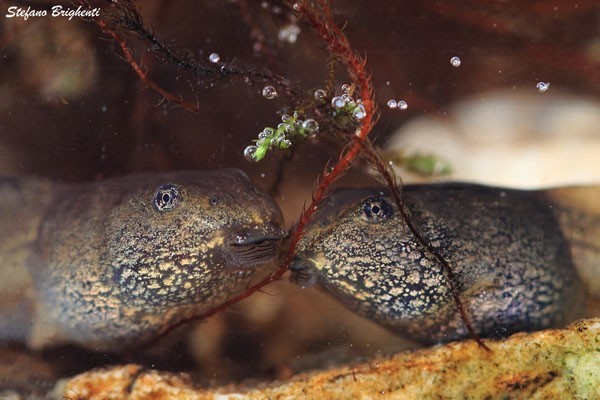
Some truly special tadpoles!
Many mountain lakes and ponds are teeming with Rana temporaria tadpoles, but just a few days ago, we encountered some truly special ones! They are seven tadpoles observed at Lake Leità, within the Gran Paradiso National Park. Their presence indicates that Rana temporaria has successfully reproduced in the lake, and since one of the tadpoles…
-

The LIFE RESQUE ALPYR project showcased as a model of ecological restoration at CSIC’s Itinerarios Cicerón
Researcher Teresa Buchaca (CEAB-CSIC) took part in a new session of the Itinerarios Cicerón programme, where she presented the actions of the LIFE RESQUE ALPYR project as a successful case of ecological restoration in high mountain lakes. She highlighted their value as natural laboratories for understanding the impacts of global change. On 6 May, the…
-

Strange Creatures: The Zooplankton of mountain lakes
The crystal-clear waters of mountain lakes hide a tiny and fascinating universe: that of zooplankton. These mostly microscopic organisms float freely in the water column and play essential roles in the ecosystem. They feed on phytoplankton — photosynthetic organisms — and, in turn, form the foundation of the diet of many fish and other aquatic…
-

Dr. Marc Ventura participates in the Cladocera XII Congress 2024 in Italy
Dr. Marc Ventura, coordinator of the LIFE RESQUE ALPYR project and researcher at the Centre for Advanced Studies of Blanes (CEAB-CSIC), will participate in the Cladocera XII Conference, which will take place in Verbania (Italy) from October 6 to 12, 2024. On this occasion, he presents the results on the effects of invasive fish on…
-
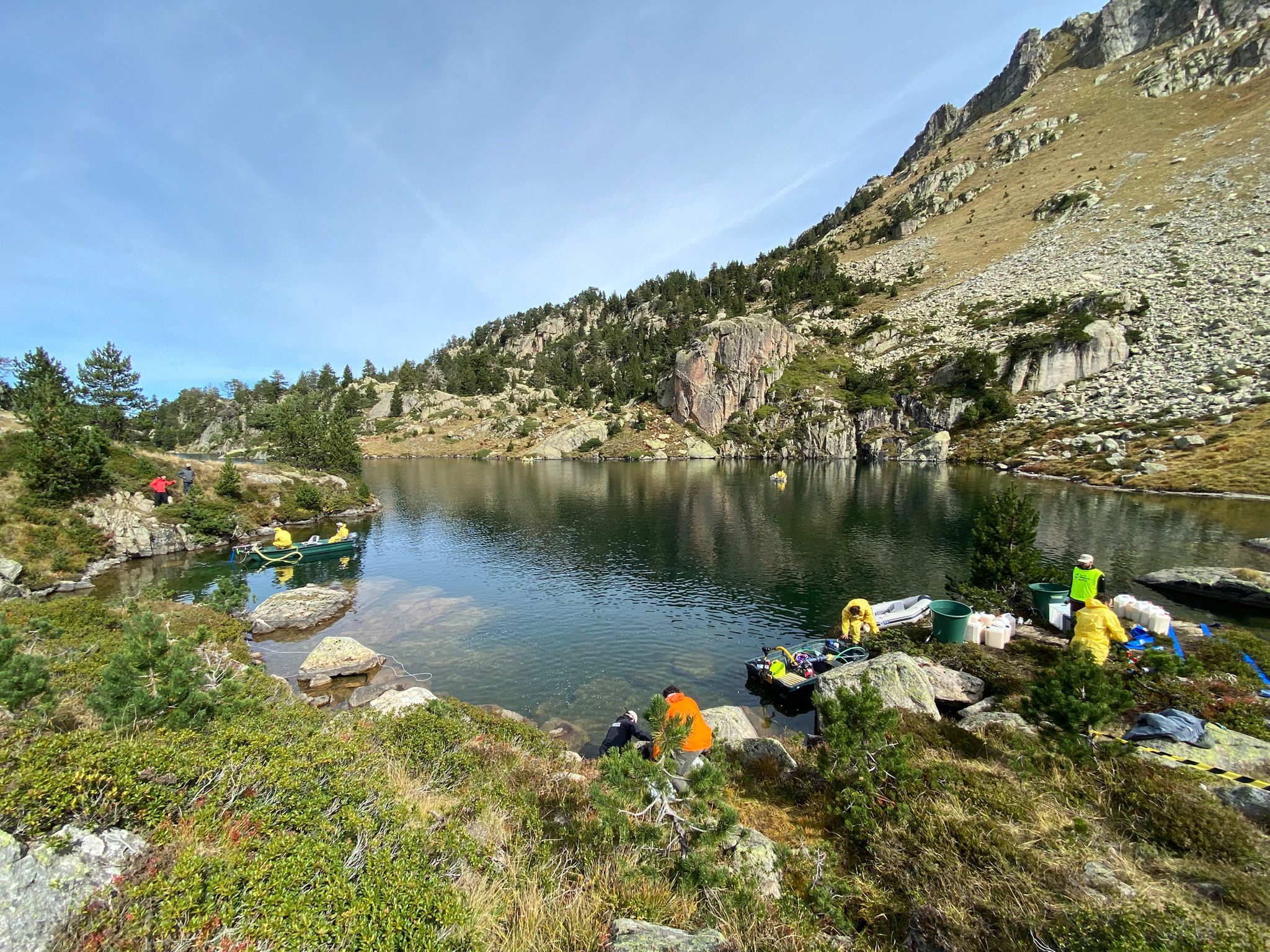
First pilot test with a biodegradable ichthyocide for the removal of invasive fish in the Pyrenees
The LIFE RESQUE ALPYR project has launched a pioneering pilot test for the removal of invasive fish using a biodegradable biocide in a high mountain lake. This initiative is part of a broader strategy to restore high-altitude aquatic habitats, aiming to transform the restored lakes into biodiversity reservoirs and ecological corridors. It will be the…
-

Impacts of swimming in high mountain lakes
It’s mid-summer and, as every year, rivers and mountains are filled with tourists and visitors. This overcrowding of natural spaces, which has been increasing since the COVID-19 pandemic, puts many habitats with great biodiversity at risk. Despite the temptation to take a dip, it’s important to remember that, in general, swimming in high mountain lakes…
