


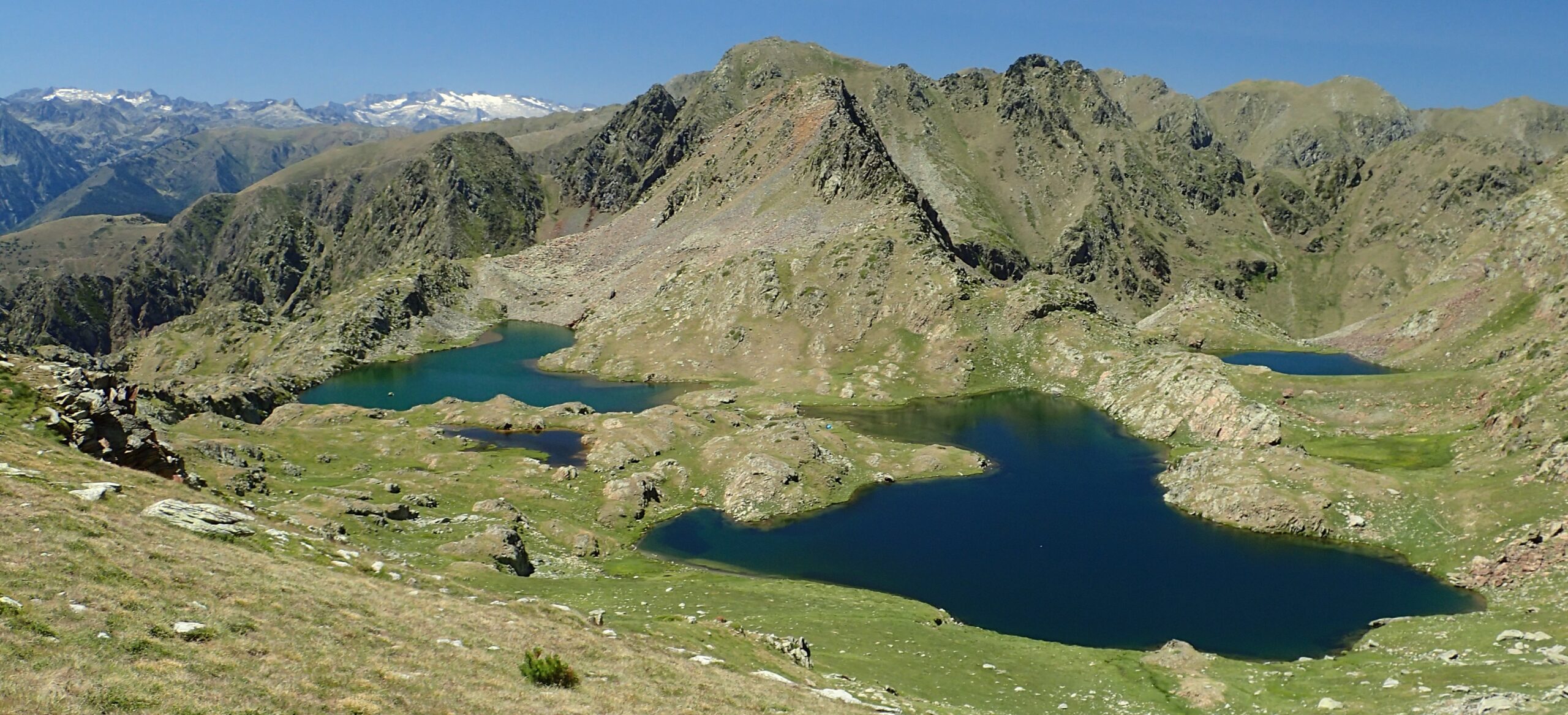
- This action is part of the European project LIFE RESQUE ALPYR, coordinated by CEAB-CSIC, with the participation of the Department of Territory, Housing and Ecological Transition of the Generalitat de Catalunya, among other organizations
- The project will be carried out in Tres Estanys del Mig and Tres Estanys de Baix, aiming both to restore the ecological status of these lakes and to enhance understanding of rotenone’s effectiveness in managing introduced species
The pilot test, which will start this week, aims to eliminate introduced species and restore the ecological balance of these high-mountain ecosystems. The trial will involve the use of rotenone, a biodegradable ichthyocide. The results of the action will provide essential data to evaluate the effectiveness and safety of this product, contributing to the development of safe protocols for the application of piscicides to mitigate the impact of introduced species, such as minnows, in high mountain lakes.
The initiative is part of a broader strategy to restore high-mountain aquatic habitats within the framework of the LIFE RESQUE ALPYR project, with the aim of converting the restored lakes into biodiversity reserves and ecological corridors.
The environmental impact of minnows in high mountain lakes
One of the main threats to high mountain lakes is the presence of introduced fish, which reduce the biodiversity of native species and disrupt the balance of the ecosystem.
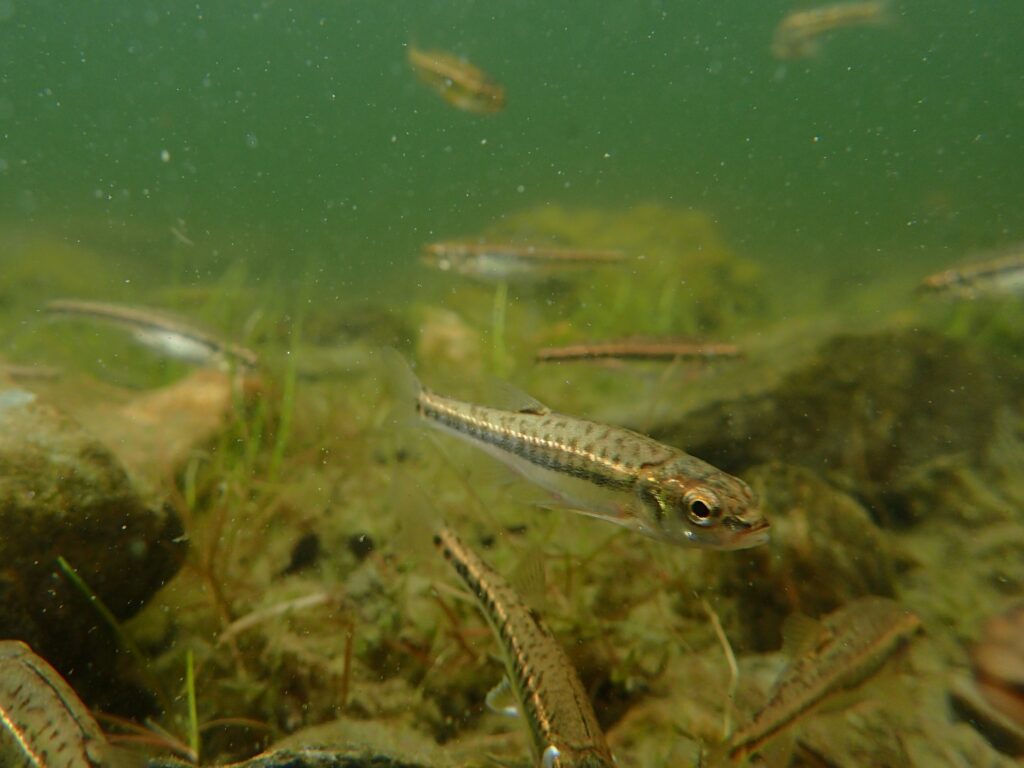
Among the introduced fish species, minnows (Phoxinus spp.) have the greatest ecological impact and also pose the greatest challenge for demographic control. It is a small cyprinid with rapid growth and a high reproductive rate, highly adaptable and capable of forming dense populations.
Conventional capture techniques used to remove fish from high-mountain lakes do not always yield satisfactory results when minnows are present. For this reason, it is necessary to explore alternative methods.
A Pioneering Initiative
Rotenone is a natural, biodegradable ichthyocide extracted from various tropical and subtropical plant species of the legume family. These plants, along with others with toxic properties such as those of the genus Verbascum, have traditionally been used for fishing in rivers and lakes around the world, depending on the plant species available, including in the Pyrenees.
In the environment, rotenone degrades rapidly, persisting for only a few days or weeks. To date, its use as an ichthyocide has been primarily applied in North America, Australia, New Zealand, the United Kingdom, and northern Europe—especially Norway—with some isolated experiences in the rest of Europe, including Spain.
The LIFE RESQUE ALPYR features two pilot trials using rotenone, pioneering actions in the context of high-mountain lakes in Europe.
The first of these trials took place in 2024 at Lake Manhèra (Val d’Aran). This is the only precedent so far for the application of rotenone in a high-mountain lake in Europe. The intervention was successful, as the minnows were eradicated and the lake is currently recovering its biodiversity, with the recolonisation of amphibians and various invertebrates, such as certain dragonflies, which had disappeared due to the introduction of the minnow.
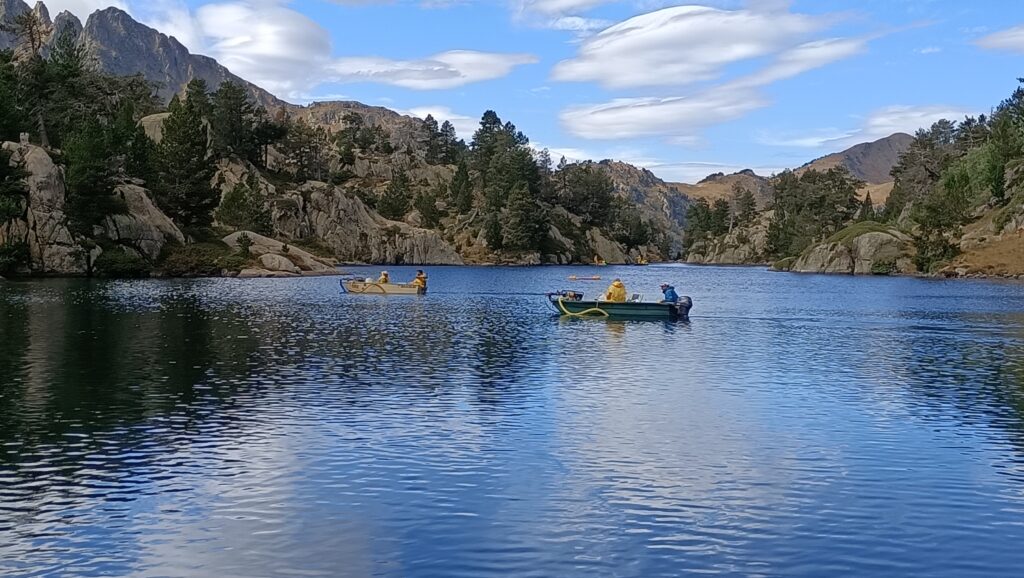
In the Tres Estanys area, two applications are planned: the first at Lake Tres Estanys del Mig, scheduled between September 2 and 4, and a few weeks later at Tres Estanys de Baix. The goal is to restore the ecological integrity of these sites and to increase knowledge about the use of rotenone in a more complex scenario, acting on two lakes whose combined volume is three times that of Lake Manhèra.
The intervention will be carried out by Sorelló, Estudis al Medi Aquàtic, S.L. and Associació La Sorellona, under the scientific coordination and supervision of the Centre for Advanced Studies of Blanes (CEAB-CSIC) and the Institute of Environmental Diagnosis and Water Studies (IDAEA-CSIC), with the direct support of the Alt Pirineu Natural Park and Forestal Catalana. The entire process will be monitored with visits from specialists from Norway, a leading country in this type of application, and through a rigorous monitoring program to ensure the safety and effectiveness of this innovative technique.
