


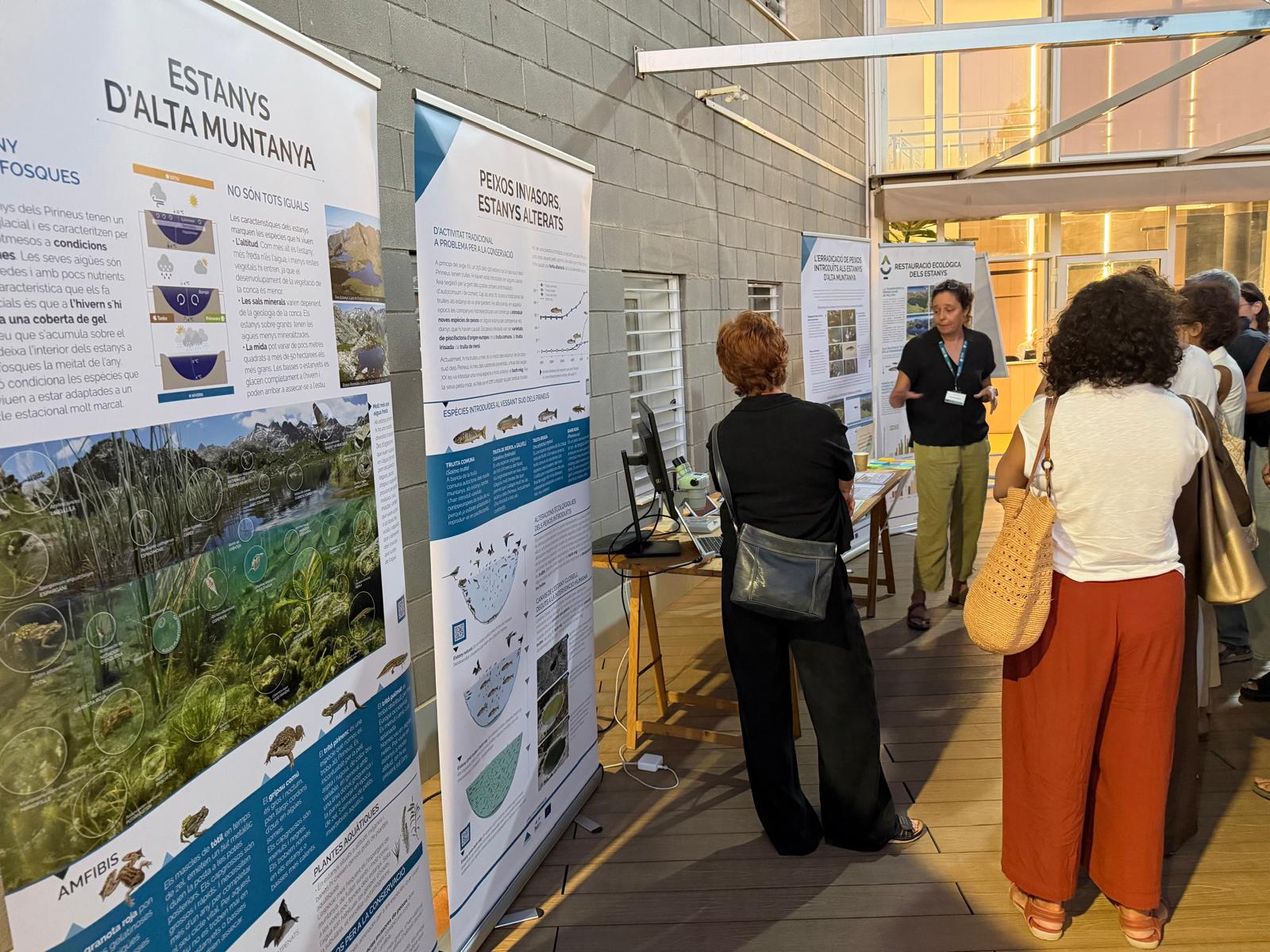
Once again, the LIFE RESQUE ALPYR project took part in the Nit del CEAB, an event aimed at bringing science closer to the public and providing first-hand insight into the research being carried out to understand, protect and restore the natural environment.
The event took place on 25 September at the Centre for Advanced Studies of Blanes (CEAB-CSIC) and, this year, focused on the conservation and restoration of ecosystems, under the theme “Knowledge at the service of nature”.
The evening began at the Enric “Kike” Ballesteros Auditorium with an introduction to the main concepts, questions and challenges related to the conservation and restoration of the natural environment. Afterwards, the activities moved to the Centre’s terrace, where participants had the opportunity to learn about various research projects, take part in outreach activities and talk directly with the scientific teams.
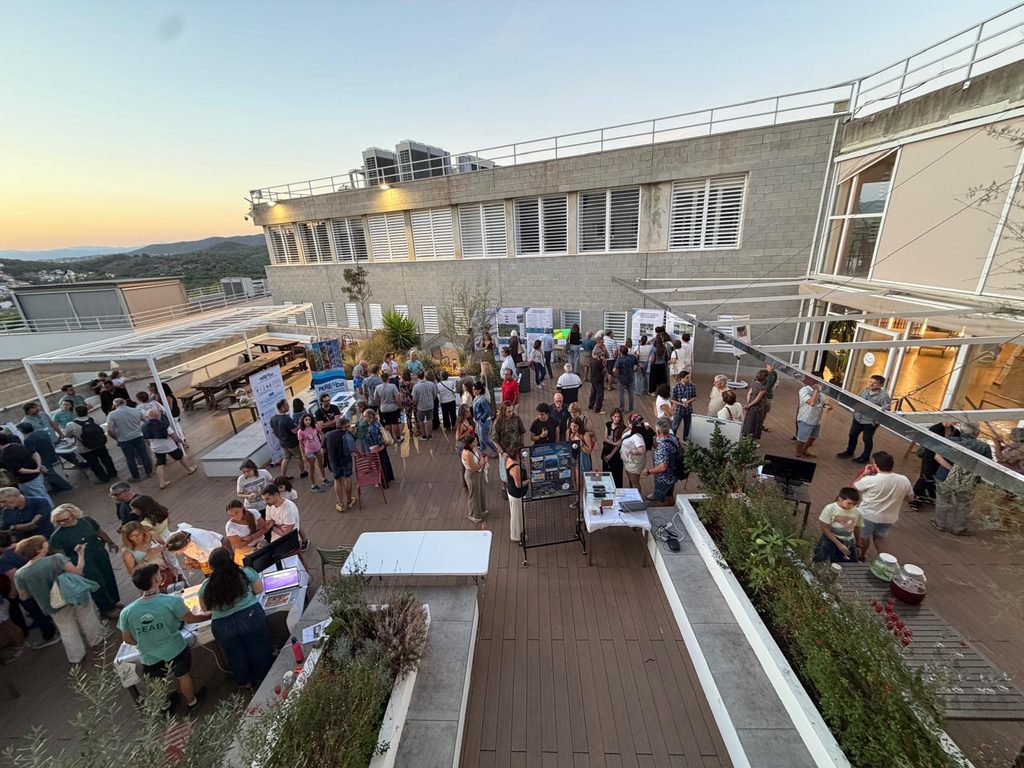
Among the participating projects was LIFE RESQUE ALPYR, which works to conserve and restore high mountain aquatic ecosystems in the Pyrenees and the Alps and protect the biodiversity they support. Through different conservation and restoration actions in the field, the project aims to reverse some of the impacts threatening these ecosystems and promote their recovery.
The LIFE RESQUE ALPYR activity introduced the public to the reality of high mountain aquatic ecosystems and the challenges they face. Through direct interaction with the project team, participants were able to discover why restoring these habitats is necessary, what actions are currently being carried out and how scientific research helps guide their recovery and conservation.
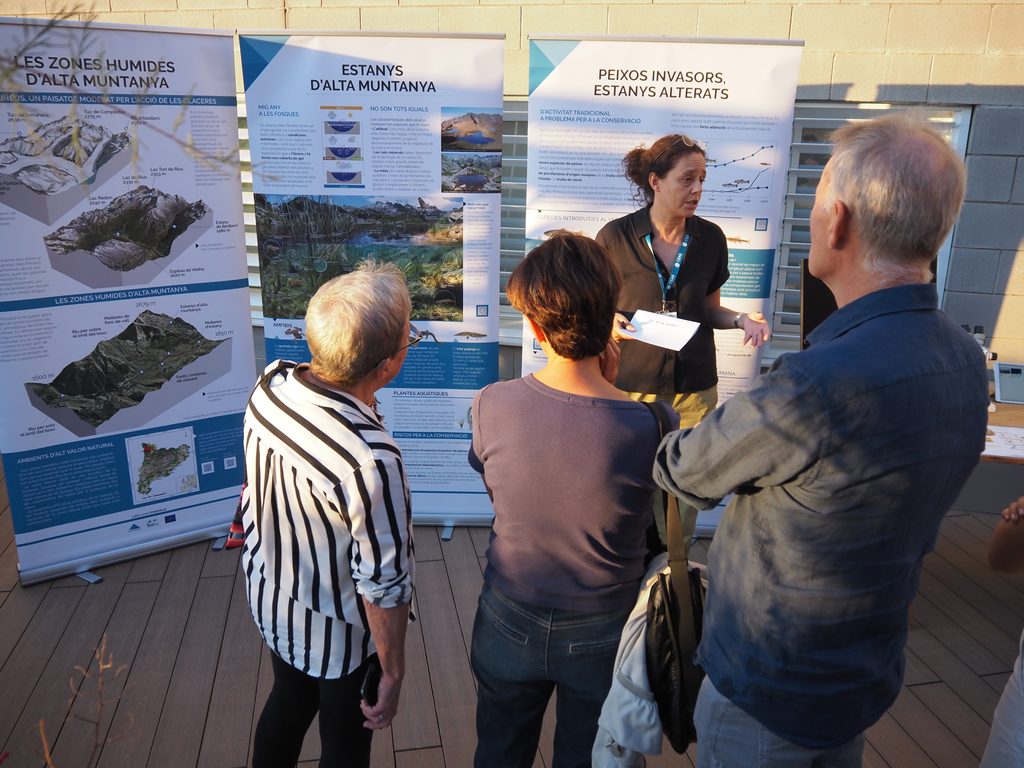
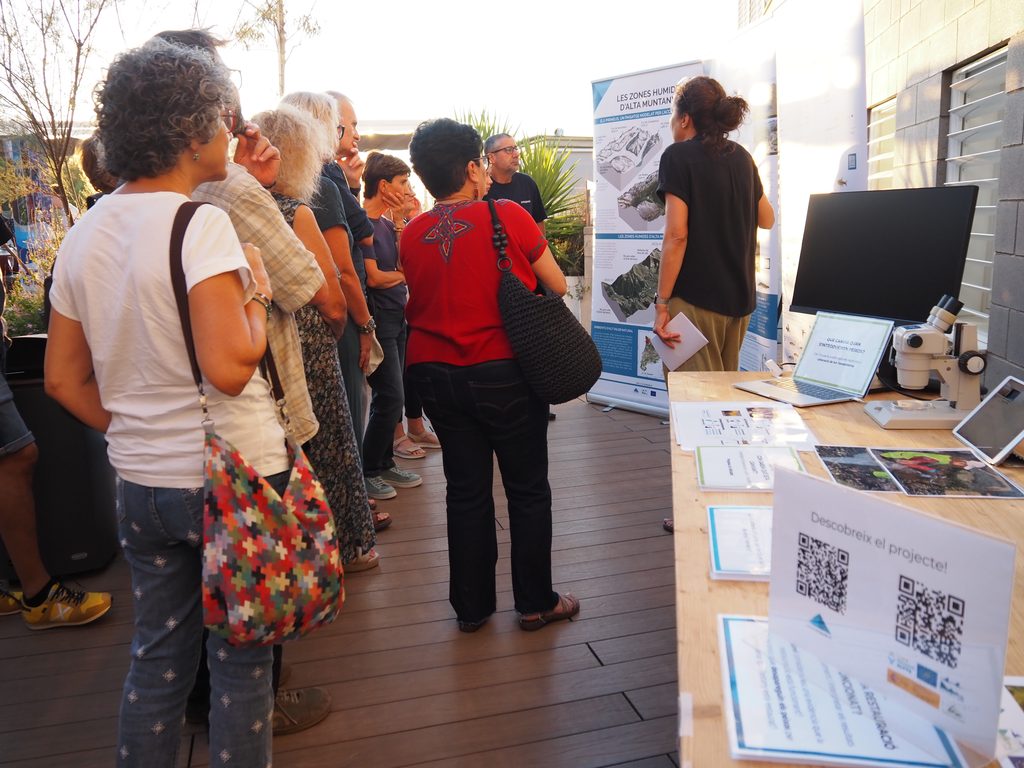
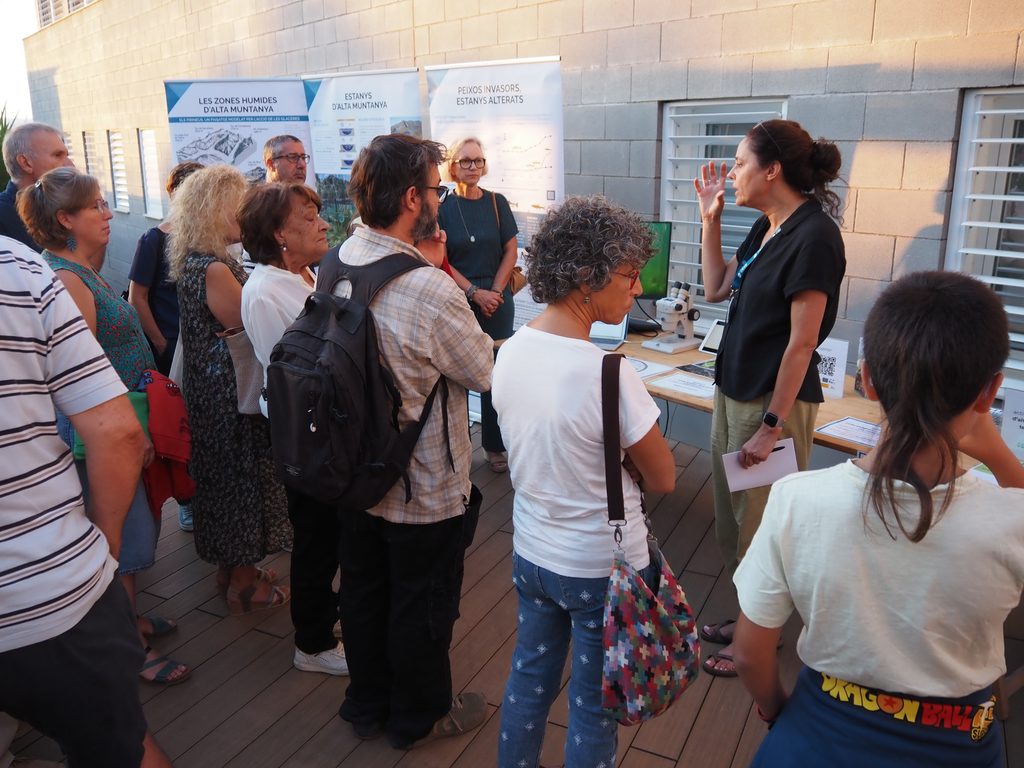
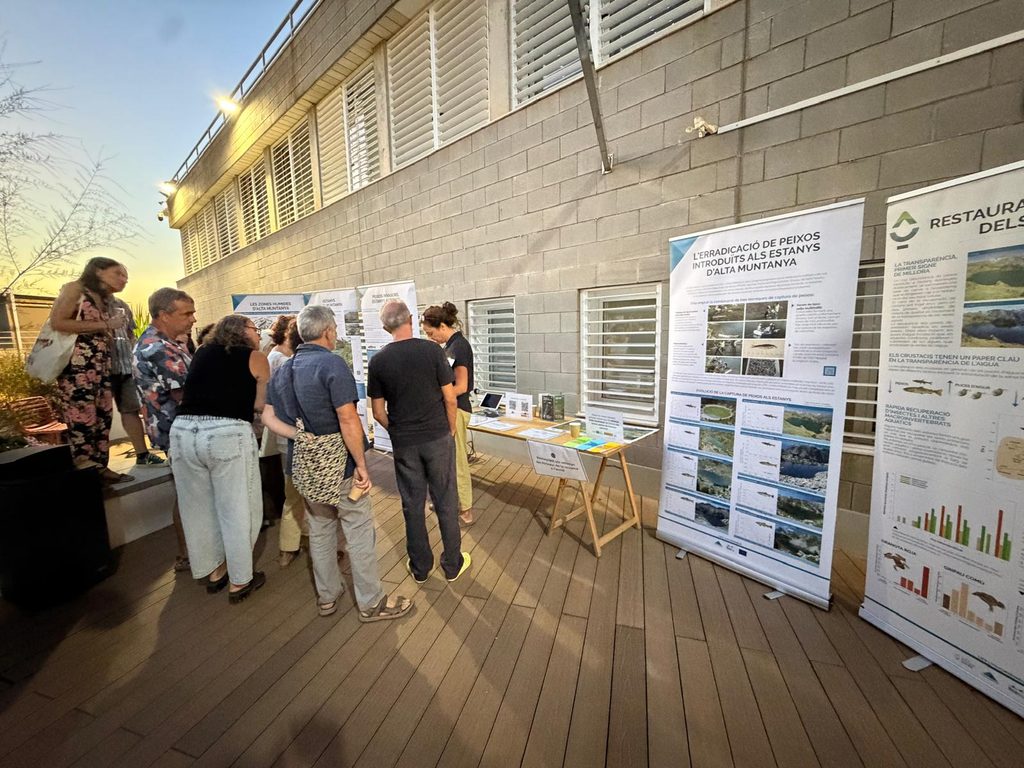
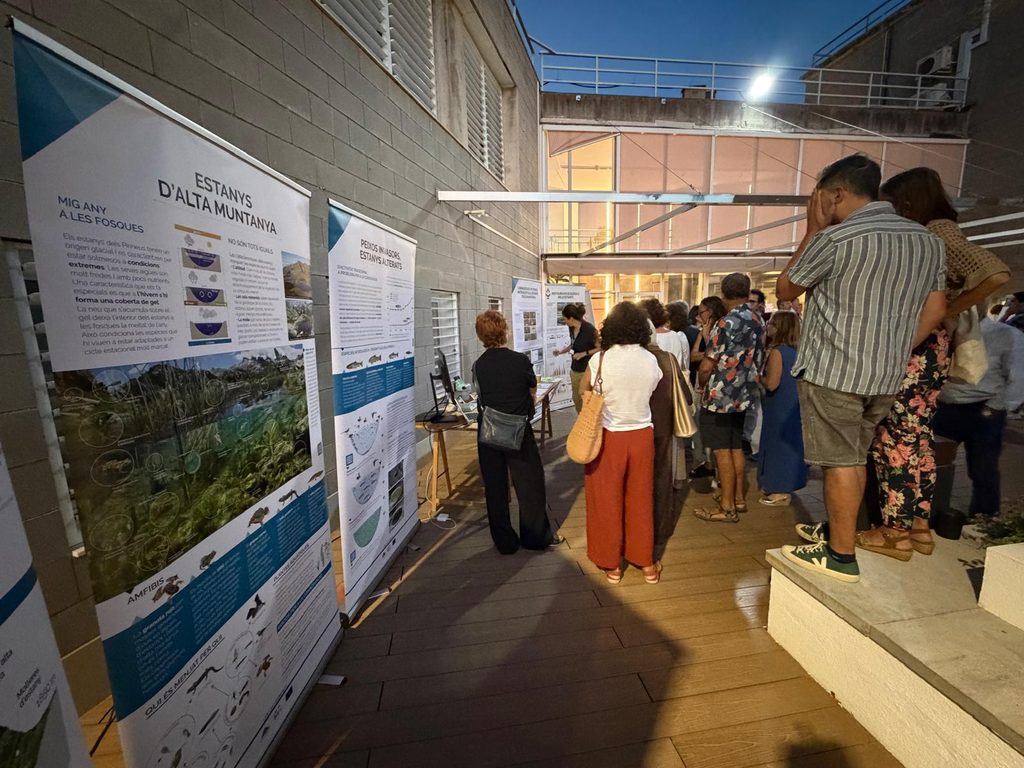
Participation in the Nit del CEAB was therefore an opportunity to bring this work closer to the public and to show how scientific knowledge can be translated into concrete conservation and restoration actions in the field, illustrating the theme that guided this year’s event: “Knowledge at the service of nature”.
In a friendly and participatory atmosphere, attendees were able to ask questions, share their concerns and reflect together on current and future environmental challenges, as well as on the role that science can play in addressing them.
