


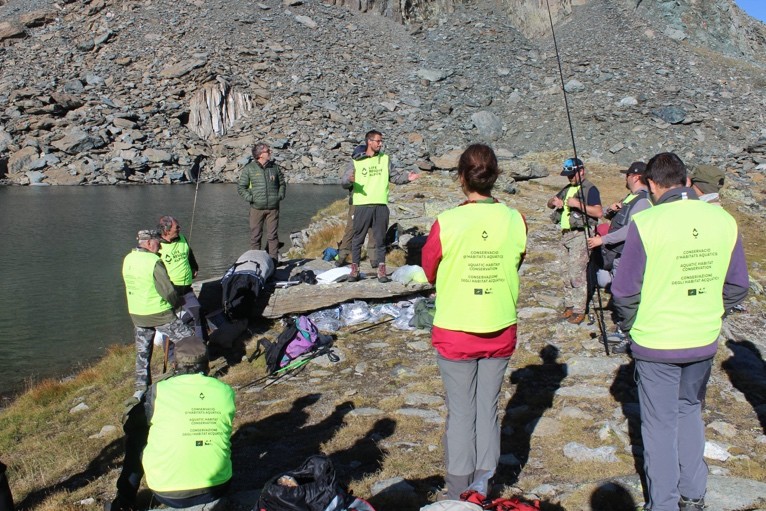
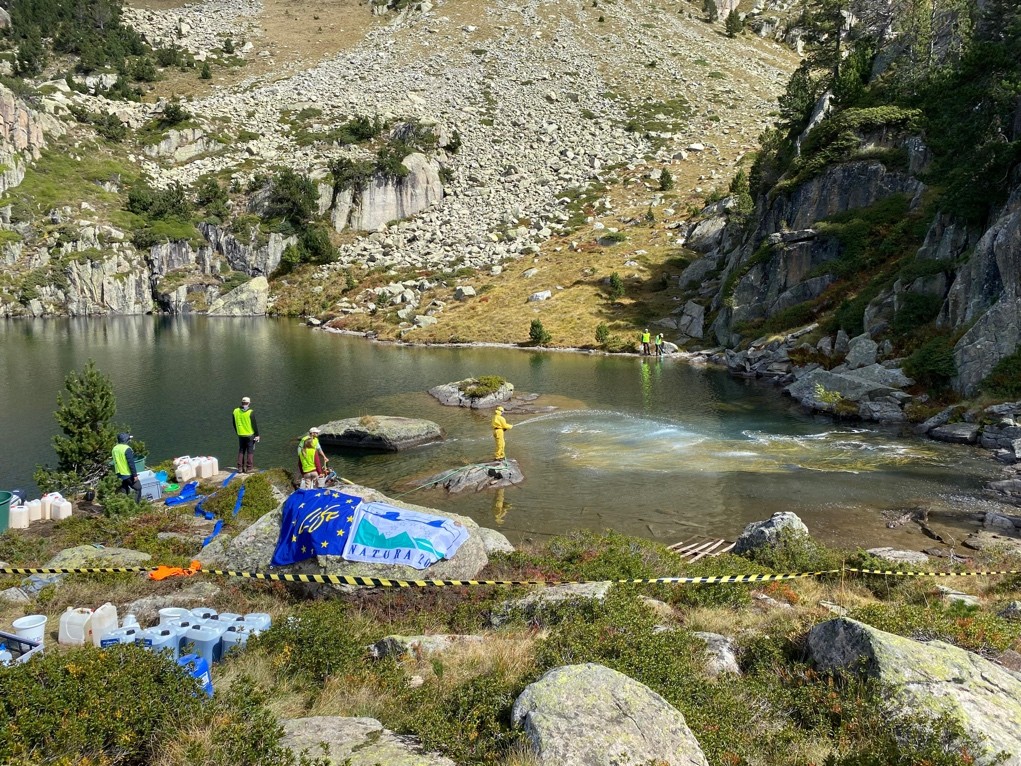
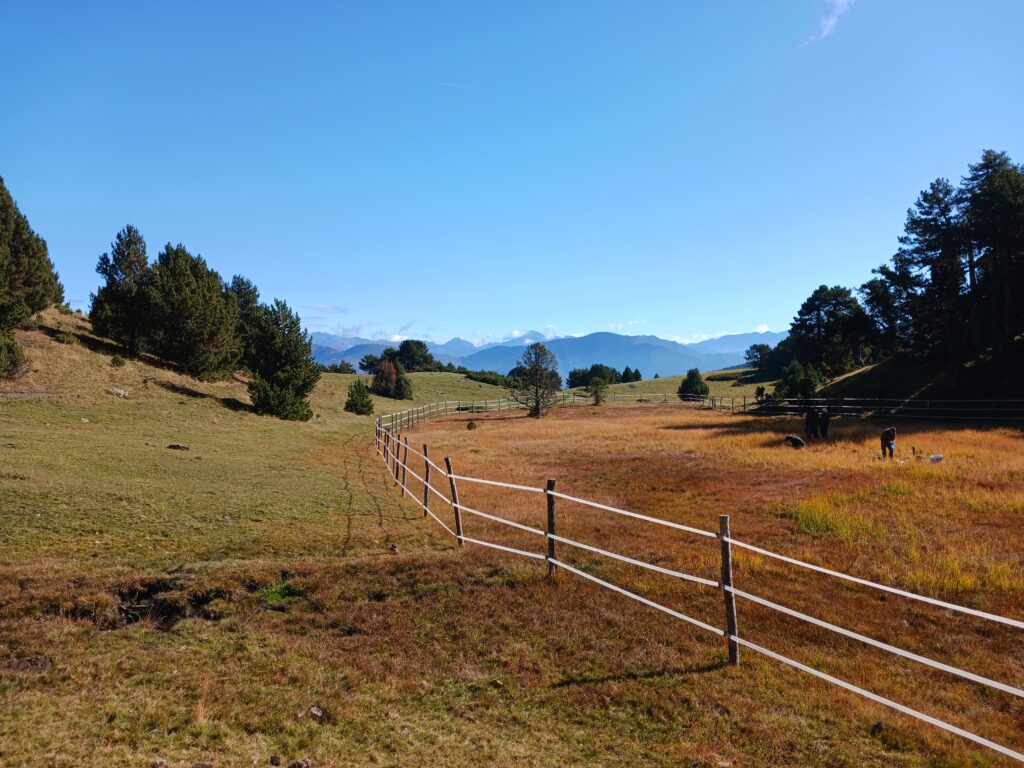
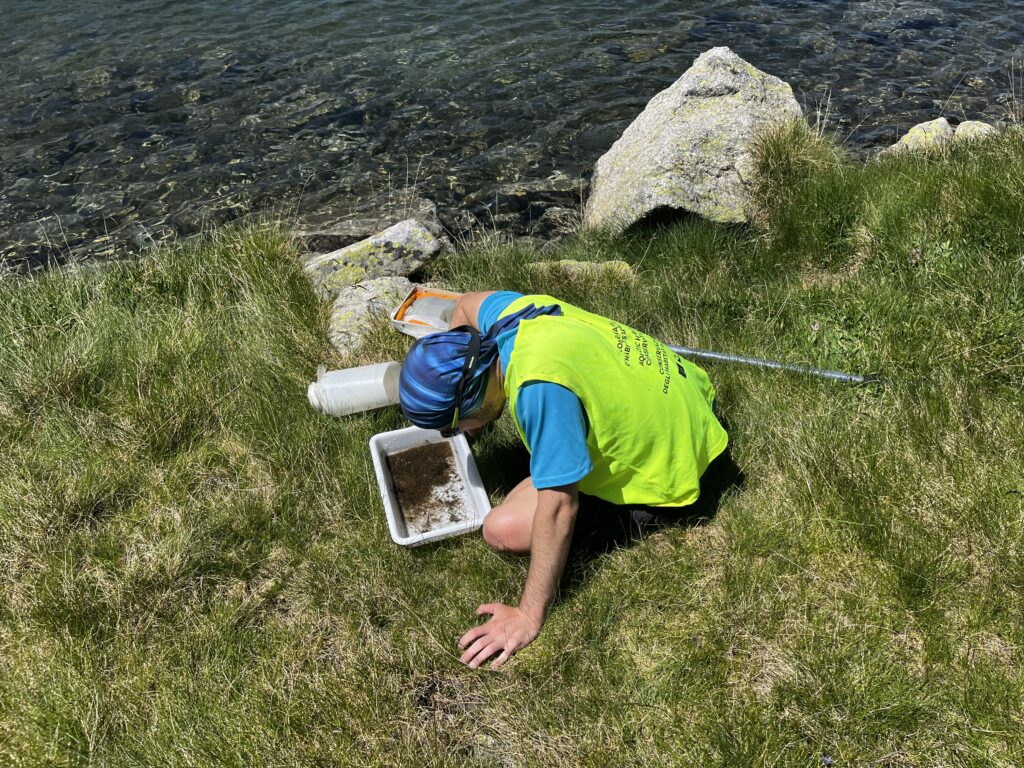
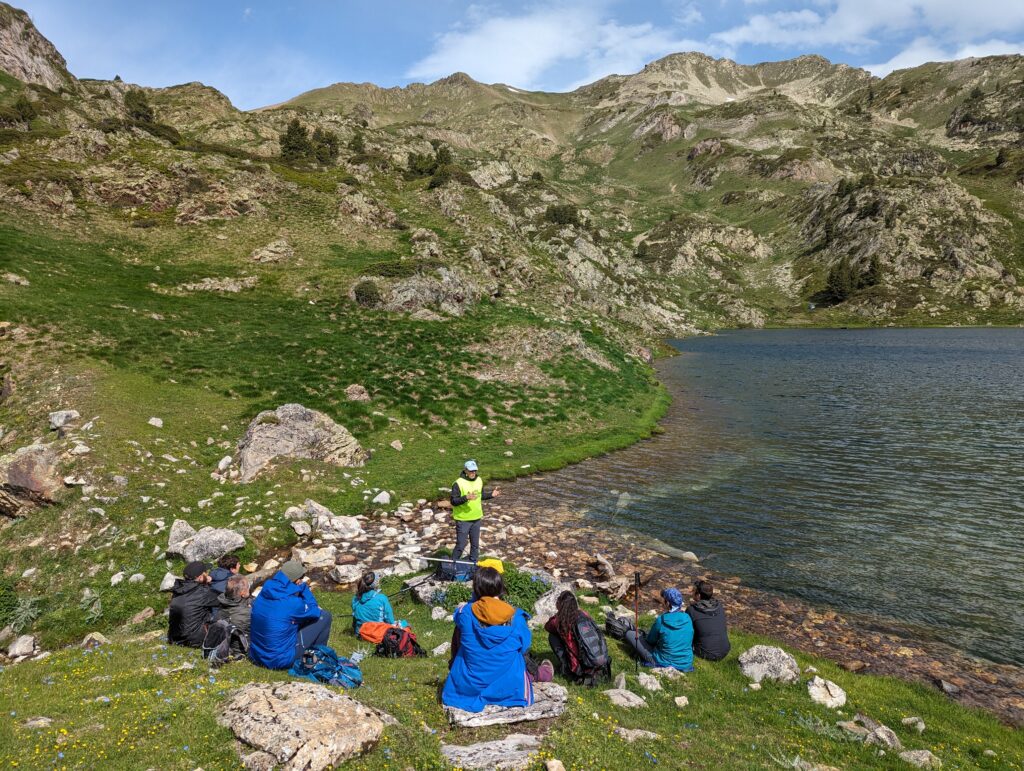
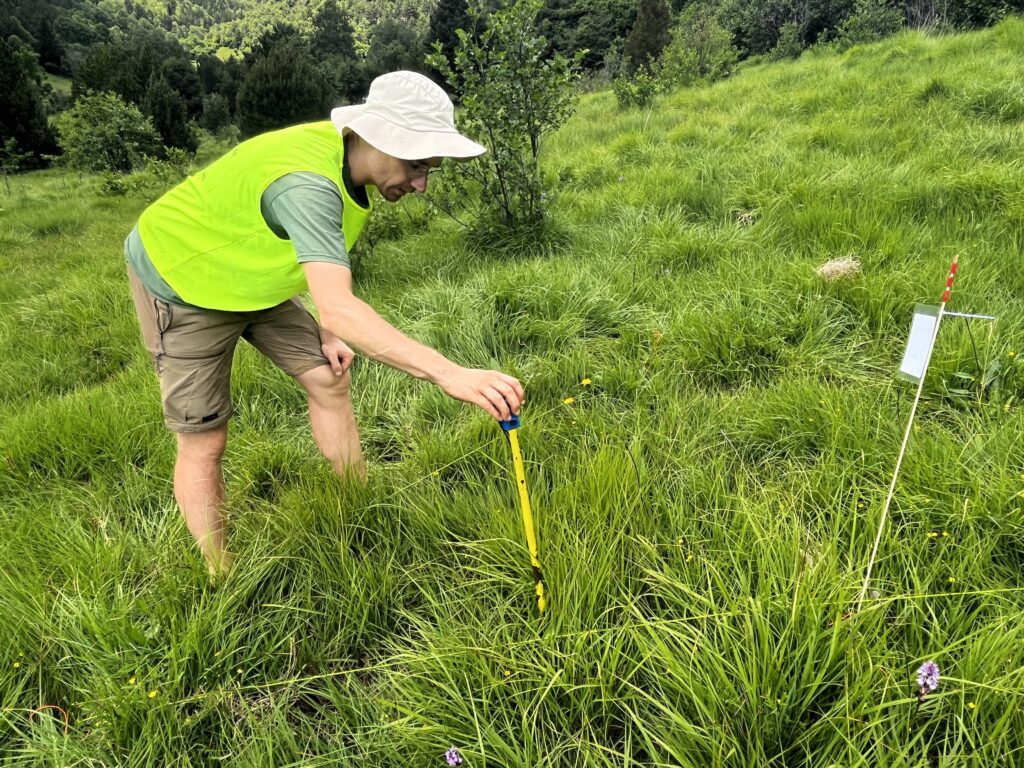
Removing fish from a mountain lake, installing fences in a peatland, or restoring traditional mowing practices in a wet meadow may raise questions among people who visit or live near these natural areas. Why are these actions being carried out? What impact do they have on biodiversity? And how do we know they are the right measures?
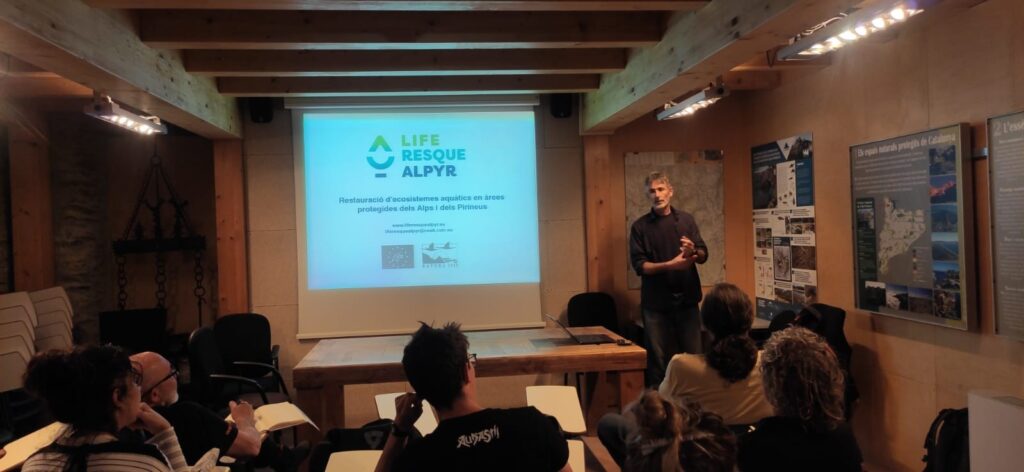
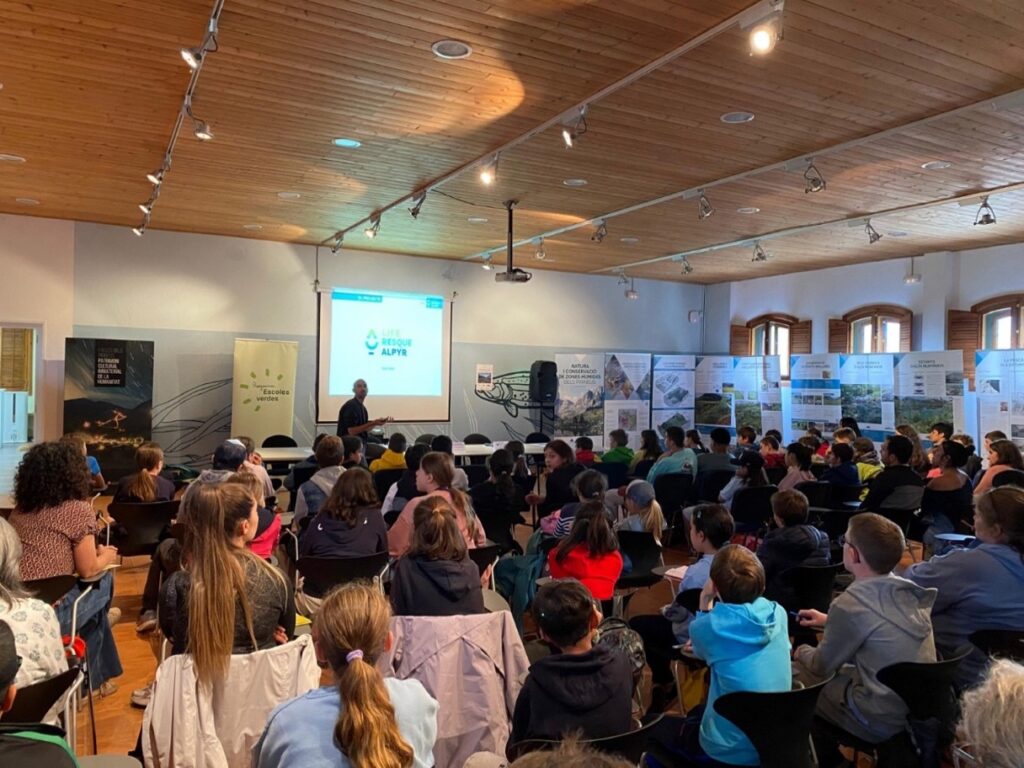
A recently published article in Eco.Mont – Journal on Protected Mountain Areas Research and Management helps answer these questions. The paper summarizes the ecological context of the project, the main conservation challenges facing high-mountain aquatic ecosystems, and the restoration actions being implemented through LIFE RESQUE ALPYR.
Unique Yet Vulnerable Ecosystems
Mountain lakes, peatlands and wet meadows are among Europe’s most unique ecosystems. Despite covering relatively small areas, they host highly specialized biodiversity adapted to demanding and often extreme environmental conditions.
Over recent decades, these habitats have been exposed to numerous pressures. One of the most significant has been the introduction of fish into lakes that were historically fishless. The presence of trout and minnows has altered natural food webs and caused significant impacts on amphibians and aquatic invertebrates.
At the same time, overgrazing, the abandonment of traditional mowing, and forest encroachment into wetland areas have contributed to the progressive degradation of peatlands and wet meadows of high ecological value.
More Than Habitat Restoration
The article highlights a key idea: restoring an ecosystem does not simply mean protecting the species that live there. It means restoring the ecological relationships that keep it alive and functioning.
Several previous studies have shown that the recovery of aquatic communities can generate positive effects beyond the lakes themselves, benefiting species that depend on insects associated with these ecosystems, such as insectivorous bats and the Pyrenean desman.
Although the project’s final results will be presented in the coming months, this publication helps explain the questions that gave rise to LIFE RESQUE ALPYR and the scientific foundations behind each of its actions.
Reference: Buchaca, T., Tiberti, R., Pladevall-Izard, E., Bello, L., Mattioli, G., Pérez-Haase, A., Pou-Rovira, Q., Riera, C. i Ventura, M. (2026). The Restoration of Aquatic Ecosystems in the Alps and Pyrenees: A Case Study from the LIFE RESQUE ALPYR Project. eco.mont – Journal on Protected Mountain Areas Research and Management, 18(2S). https://doi.org/10.1553/eco.mont-18-2s44
